HI38017 CTK Chlorine Free & Total
Product code: MX-11764
Free chlorine reacts with ammonium ions and organic compounds to form chlorine compounds resulting in diminished disinfecting capabilities compared with free chlorine. These chlorine compounds together with chloramines form combined chlorine.
Prices are quoted, not listed. Add this product to your request. We’ll check the specification, pricing and availability, and confirm the delivery details before you order. No payment, no account, no minimum order.
Ask about this product on LINEPrefer to talk? Call +66 99 241 5692, email us or chat on LINE.
Product description
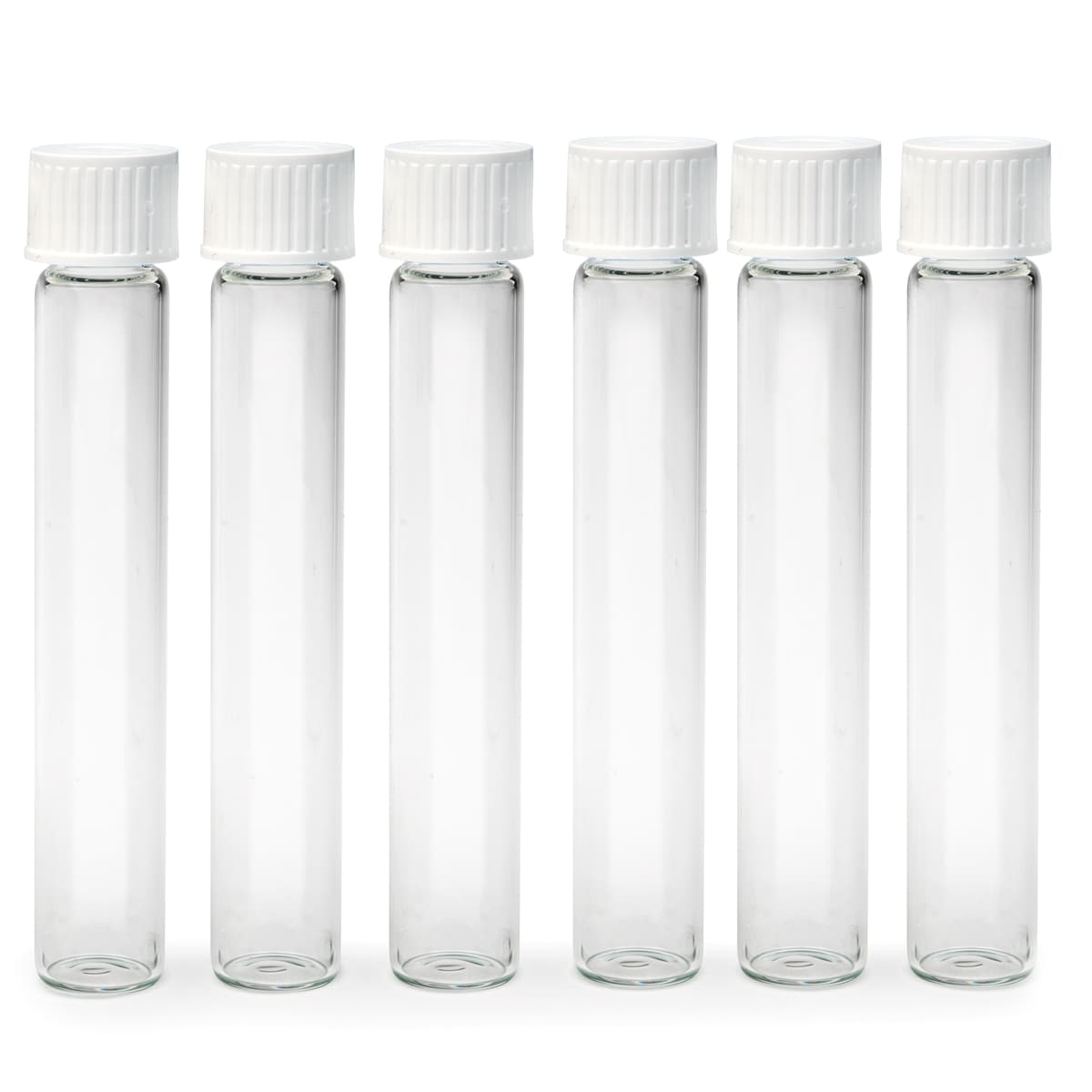
The HI38017 is a chemical test kit that determines the free and total chlorine concentration in two ranges: 0 to 0.7 mg/L and 0 to 3.5 mg/L. The HI38017 is supplied with all of the necessary reagents and equipment to perform both analyses, including the Checker® disc for accurate determination. The test kit contains enough reagents to perform 200 tests. Features at-a-glance Complete setup All required materials are included with the test kit, such as the glass vials, plastic pipette, reagent packets, and Checker® disc. High resolution Readings from 0.00 to 0.70 mg/L are determined to 0.02 mg/L resolution. Readings from 0.0 to 3.5 mg/L are determined to 0.1 mg/L resolution. Replacement reagents available There is no need to buy a new kit when reagents are exhausted. The HI38017-200 is the part number for replacement reagents. The HI38017-200 is supplied with 100 packets each of HI93701-0 free chlorine and HI93711-0 total chlorine reagents. Significance of Use Chlorine is the most commonly used water disinfectant in applications such as drinking water and wastewater treatment, pool and spa sanitization, and food processing and sterilization. Chlorine present in water binds with bacteria, leaving only a part of the original quantity (free chlorine) to continue its disinfecting action. If the free chlorine level is improper with respect to pH, water will have an unpleasant taste and odor and the disinfecting potential of the chlorine will be diminished. Free chlorine reacts with ammonium ions and organic compounds to form chlorine compounds; this results in diminished disinfecting capabilities compared with free chlorine. Chlorine compounds together with chloramines form combined chlorine. Combined chlorine and free chlorine together result in total chlorine. While free chlorine has a much higher disinfectant potential, combined chlorine has a much higher stability and lower volatility.
Specifications
| Method | Checker Disc |
|---|---|
| Range | 0.00-0.70 mg/L 0.0-3.5 mg/L |
| Smallest Increment | 0.02 mg/L 0.1 mg/L |
| Chemical Method | DPD |
| Number of Tests | 200 |
| Weight | 696 g |
Related products