Portable Turbidity and Bentonite Check Meter
Product code: MX-12507
The HI83749 Portable Turbidity and Bentocheck Meter is specially designed for measurement of turbidity in wine. The instrument is based on a state-of-the-art optical system which guarantees accurate results, assures long term stability, and minimizes stray light and color interferences.
Prices are quoted, not listed. Add this product to your request. We’ll check the specification, pricing and availability, and confirm the delivery details before you order. No payment, no account, no minimum order.
Ask about this product on LINEPrefer to talk? Call +66 99 241 5692, email us or chat on LINE.
Product description
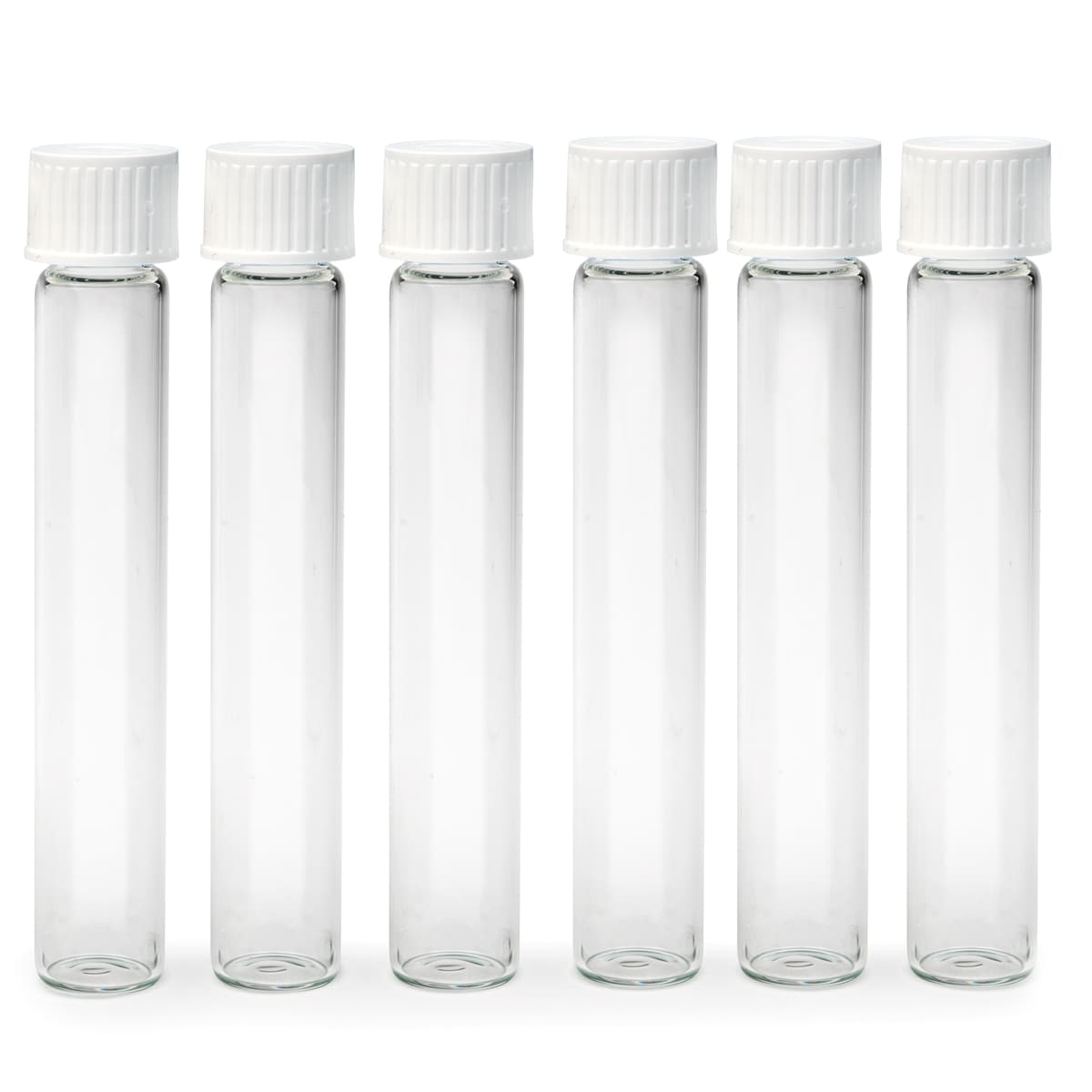
The HI83749 Portable Turbidity and Bentocheck Meter is specially designed for measurement of turbidity in wine. The instrument is based on a state-of-the-art optical system which guarantees accurate results, assures long term stability, and minimizes stray light and color interferences. It also compensates for variations in intensity of the lamp, although proper calibration ensures measurements are fully validated, comparable, and in compliance with regulatory requirements. The 25 mm round cuvettes composed of special optical glass guarantee the repeatability of turbidity measurements.
Features at-a-glance
AMCO AEPA-1 Primary Turbidity Standard - The AMCO AEPA-1 supplied standards are recognized as a primary standard by the USEPA. These non-toxic standards are made of styrene divinylbenzene polymer spheres that are uniform in size and density. The standards are reusable and stable with a long shelf life.Calibration – A two, three, or four-point turbidity calibration can be performed by using the supplied (<0.1, 10, 100, and 500 NTU) standards. Calibration points can be modified if user-prepared standards are used.Fast Tracker™ - For users taking measurements throughout the winemaking process, the HI83749 is equipped with Fast Tracker™ - Tag Identi˜fication System (T.I.S.) that makes data collecting and management simpler than ever. Fast Tracker™ allows winemakers to record the time and location of a speci˜fic measurement or series of measurements using iButton™ tags on specific tanks for quick and easy readings. Each iButton® tag contains a computer chip with a unique identi˜cation code encased in stainless steel.GLP Data – The HI83749 features complete GLP (Good Laboratory Practice) functions that allow traceability of the calibration conditions. Data includes calibration points, date, and time.Data Logging – Up to 200 measurements can be stored in the internal memory and recalled at any time.Data Transfer – For further storage or analysis options, logged data can be downloaded to a Windows compatible PC using the RS232 or USB port and the HI92000 software.Backlit Display – A backlit LCD display provides an easy to understand, user-friendly interface. Displayed codes guide the user step-by-step through routine operation and calibration.
Significance of Use
Unrefined wine is quite turbid and hazy from suspended solids produced during fermentation. The unrefined wine is treated with fining agents to reduce cloudiness. This cloudiness is what winemakers refer to as protein haze, or haze for short. Thaumatin-like proteins (TLPs) and chitinases are the primary grape proteins responsible for haze formation. These positively charged proteins degenerate and stick together, resulting in undesirable flocculent clouds and visible haziness.
The prevention of protein haze or deposit in bottled white wines is a universal concern and often a wine needs to be stabilized before bottling. One commonly used stabilization agent is bentonite. Bentonite is a volcanic clay earth type fining agent (like kaolin) that acts as a wine stabilizer. It improves the clarity of wine but has also negative aspects because of the volume of lees formed, reduction of tannin and color. Since there are different types and qualities of bentonite with different capacity of protein removal, it is important to make laboratory trials with the same lot and wetting degree of the bentonite as that will be used in the cellar.
Protein stabilization is normally not a problem in bottled red wines because of the relatively high concentration of phenols that binds and precipitates with the unstable proteins before bottling. Often bentonite is added to red wines at a level of about 12 g/hL (1 lb/1000 gal), reducing colloidal suspended particles thus improving membrane filterability.
Specifications
| NTU Range | 0.00 to 9.99 NTU 10.0 to 99.9 NTU 100 to 1200 NTU |
|---|---|
| NTU Resolution | 0.01 NTU from 0.00 to 9.99 NTU 0.1 NTU from 10.0 to 99.9 NTU 1 NTU from 100 to 1200 NTU |
| NTU Accuracy | ±2% of reading plus 0.05 NTU |
| Range Selection | Automatic |
| Turbidity Repeatability | ±1% of reading or 0.02 NTU, whichever is greater |
| Stray Light | < 0.05 NTU |
| Turbidity Light Detector | Silicon Photocell |
| Turbidity Method | Ratio Nephelometric Method. |
| Calibration | Two, three or four points calibration |
| Light Source | Tungsten filament lamp |
| Display | 60 x 90mm backlit LCD |
| LOG Memory | 200 records |
| Serial Interface | RS232 or USB 1.1 |
| Environment | 0 to 50°C (32 to 122°F) max 95% RH non-condensing |
| Power Supply | 4 x 1.5V AA alkaline batteries or AC adapter |
| Auto Shut-Off | After 15 minutes of non-use |
| Dimensions | 224 x 87 x 77 mm (8.8 x 3.4 x 3.0in.) |
| Weight | 512 g (18 oz.) |
| Warranty | 2 years |
Related products