Skip to content
ไทย

Water Purification system

Laboratory water purification systems that produce Type I ultrapure and DI water for analysis and reagent preparation, including the Human Arioso Power I S-UV and Smart Power I with integrated dispenser. Request a free quotation for pricing and specs.

Laboratory water selection guide

Choose water quality for the application, then size the system

Type I, II and III labels are a starting language—not a complete specification. Define the method’s contaminant limits, feedwater, peak and daily demand, dispense pattern and maintenance plan before comparing systems.

See the checklist and buying questions

22 products

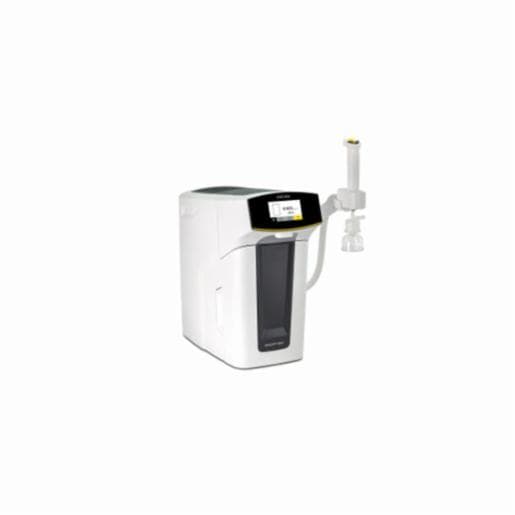
Arioso Power I S-UV

Human

Arioso Power I S-UV

MX-10069

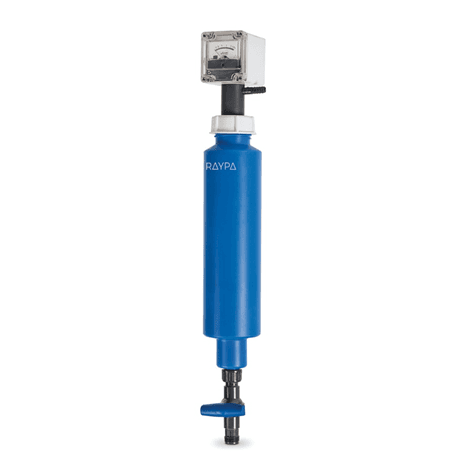
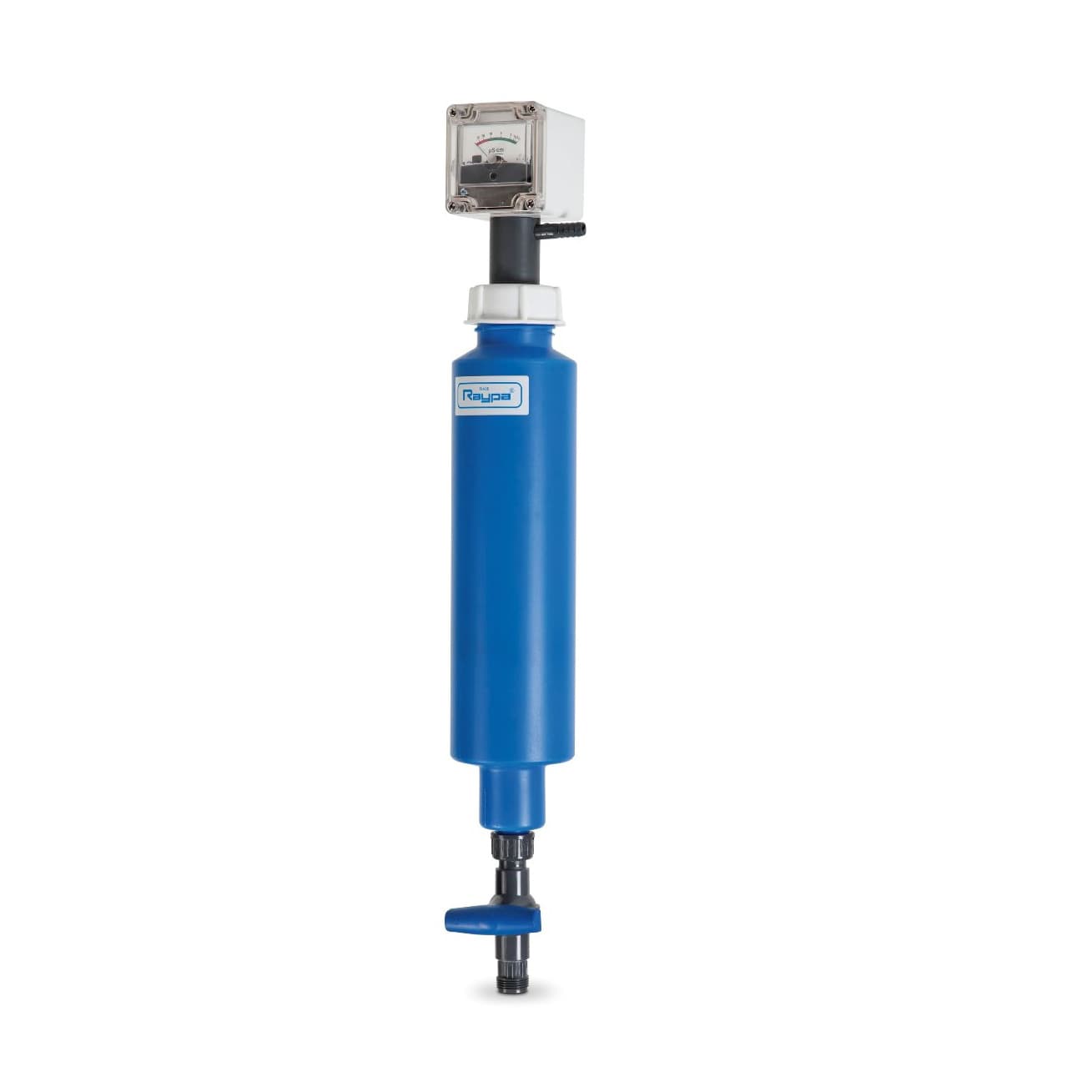
DEIONIZER CARTRIDGE dia 100x435 SPARE PARTS

Raypa

DEIONIZER CARTRIDGE dia 100x435 SPARE PARTS

MX-13555

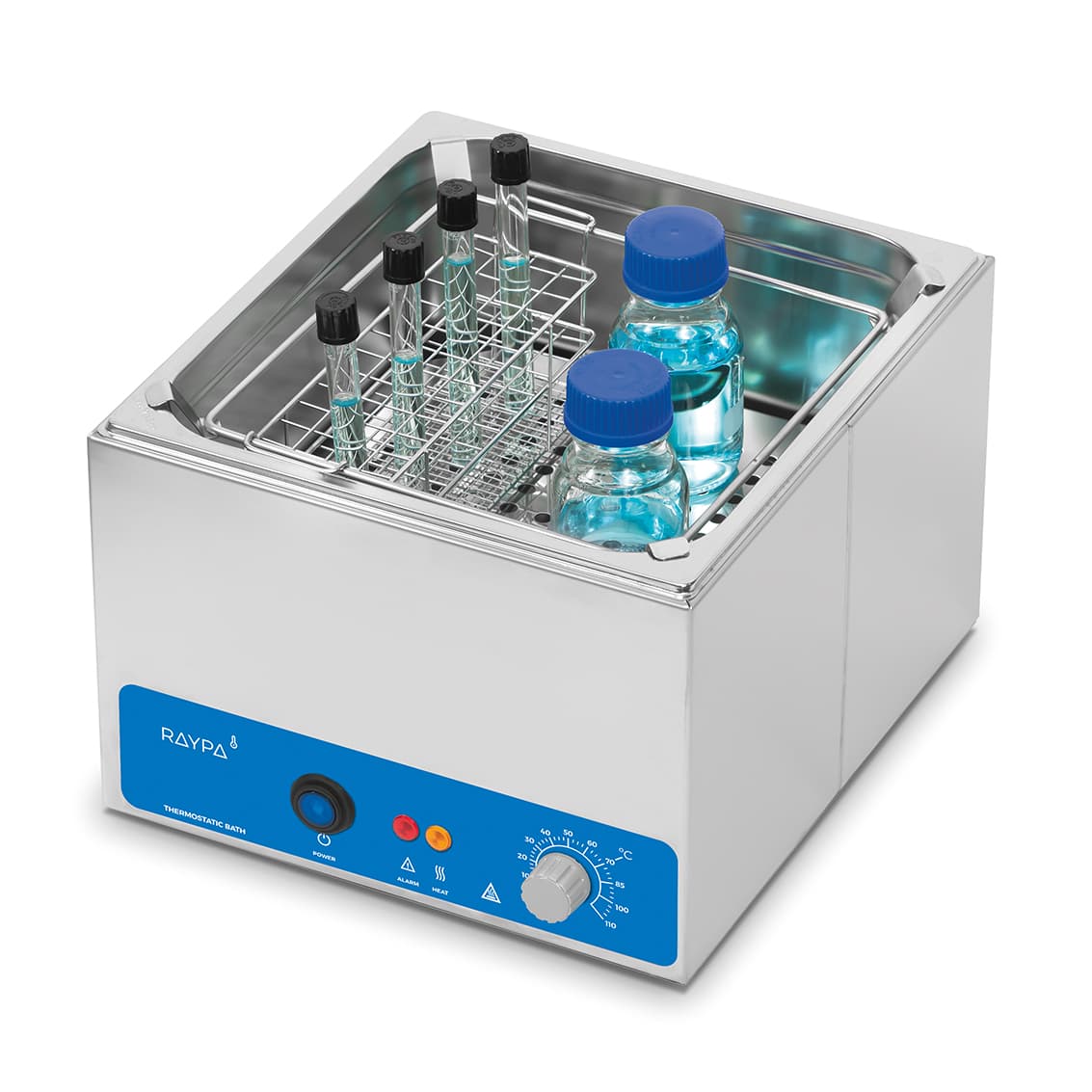
Digital Water Bath, 40 L.

Raypa

Digital Water Bath, 40 L.

MX-13565

ND12 Water Distiller with Storage Tank

Nuve

ND12 Water Distiller with Storage Tank

MX-10572

ND4 Water Distiller with Storage Tank

Nuve

ND4 Water Distiller with Storage Tank

MX-10571

NS103 Water Distiller

Nuve

NS103 Water Distiller

MX-10573

RAYPA water deionizer

Raypa

RAYPA water deionizer

MX-13923

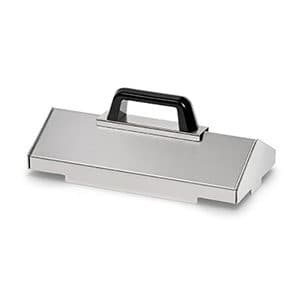
Roof Type Cover for BAB-12

Raypa

Roof Type Cover for BAB-12

MX-13940

Smart N15VF, Water Purification Systems

Heal Force

Smart N15VF, Water Purification Systems

MX-13987

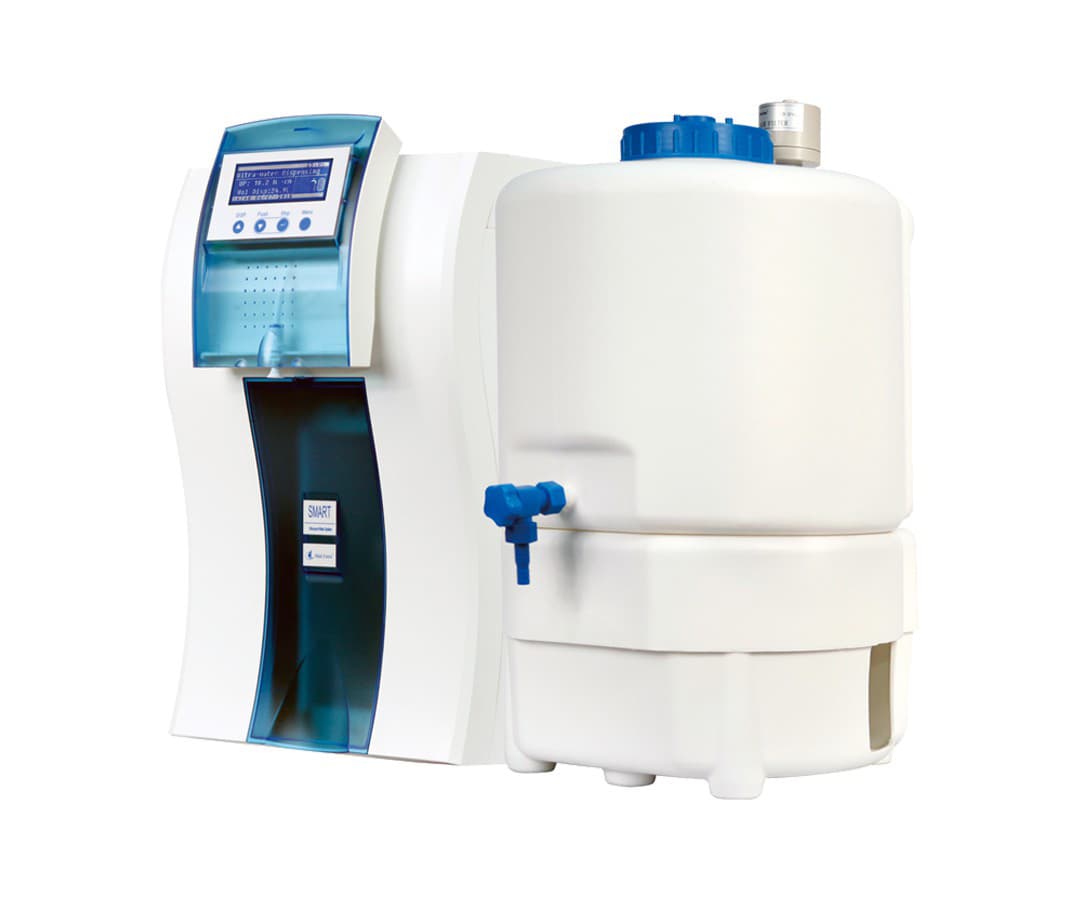
Smart Power I Integrate with Dispenser

Human

Smart Power I Integrate with Dispenser

MX-10070

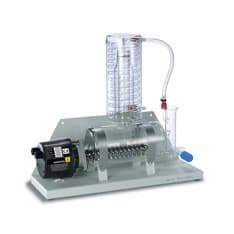
W4L Water Still without Cabinet

Favorit

W4L Water Still without Cabinet

MX-10497

WCS4L Water Still with Cabinet

Favorit

WCS4L Water Still with Cabinet

MX-10529

FISTREEM Water Stills

Fistreem

FISTREEM Water Stills

MX-21298

HAMILTON Water Still Model WGS

Hamilton

HAMILTON Water Still Model WGS

MX-21363

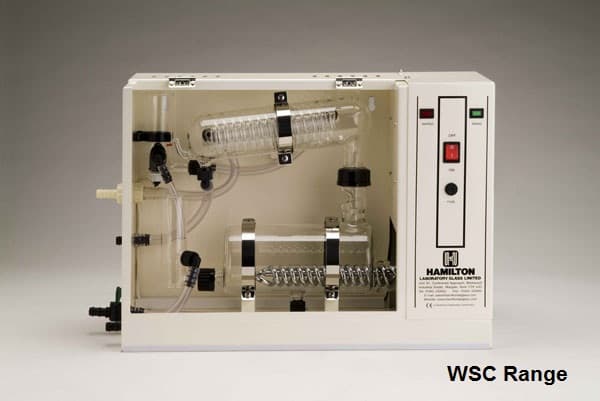
HAMILTON Water stills Model WSC, AWC

Hamilton

HAMILTON Water stills Model WSC, AWC

MX-21364

STUART Water Stills

Stuart

STUART Water Stills

MX-21340

Laboratory water selection guide

Five requirements that determine a water system

01

Application and water grade

Type I is commonly used for highly sensitive analytical or life-science work, Type II for general laboratory preparation, and Type III for rinsing, baths, autoclave feed or as feed to a polishing system. The method’s actual limits control.

02

Feedwater

Provide tap-water analysis or the available pretreated feed, including pressure, hardness, conductivity and disinfectant where known. Feed quality affects pretreatment, consumables and output.

03

Daily and peak demand

State liters per day, peak draw, hours of use and the number of dispense points. Production rate, tank size and dispense flow answer different parts of demand.

04

Contaminants and monitoring

List resistivity or conductivity, TOC, bacteria, endotoxin, particles, DNase or RNase limits only when the application needs them. Monitoring and final filters are configuration-specific.

05

Storage and lifecycle

Define reservoir, recirculation, sanitization, filter changes, service access and records. A purification unit without a maintenance plan cannot preserve water quality indefinitely.

Include this in a lab-water request

  • Applications and required water quality
  • Feedwater source and available analysis
  • Liters per day and peak dispense demand
  • Required contaminant limits and monitoring
  • Reservoir, loop or remote dispenser needs
  • Consumables, sanitization and service plan

Type I, II and III water questions

Is Type I always the best choice?

No. Higher purity costs more to produce and maintain. Use the quality required by the method; Type II or III can be appropriate for general preparation, rinsing or as feedwater.

Is distilled water automatically Type I?

No. Production technology and grade are different concepts. Verify the delivered water against the required contaminant limits instead of inferring grade from “distilled,” “DI” or “RO.”

Why do you need liters per day and peak flow?

Daily production, reservoir capacity and dispense flow are separate constraints. A system can meet total daily volume but still be inconvenient if peak draw or recovery is undersized.

Applications that depend on water quality

Official laboratory-water references

Grade examples and sizing questions reflect current manufacturer learning material. The laboratory method remains the controlling requirement.

Water grades, production rates, contaminant limits and application suitability are system- and configuration-specific. Verify the current data sheet and the method’s water requirement.