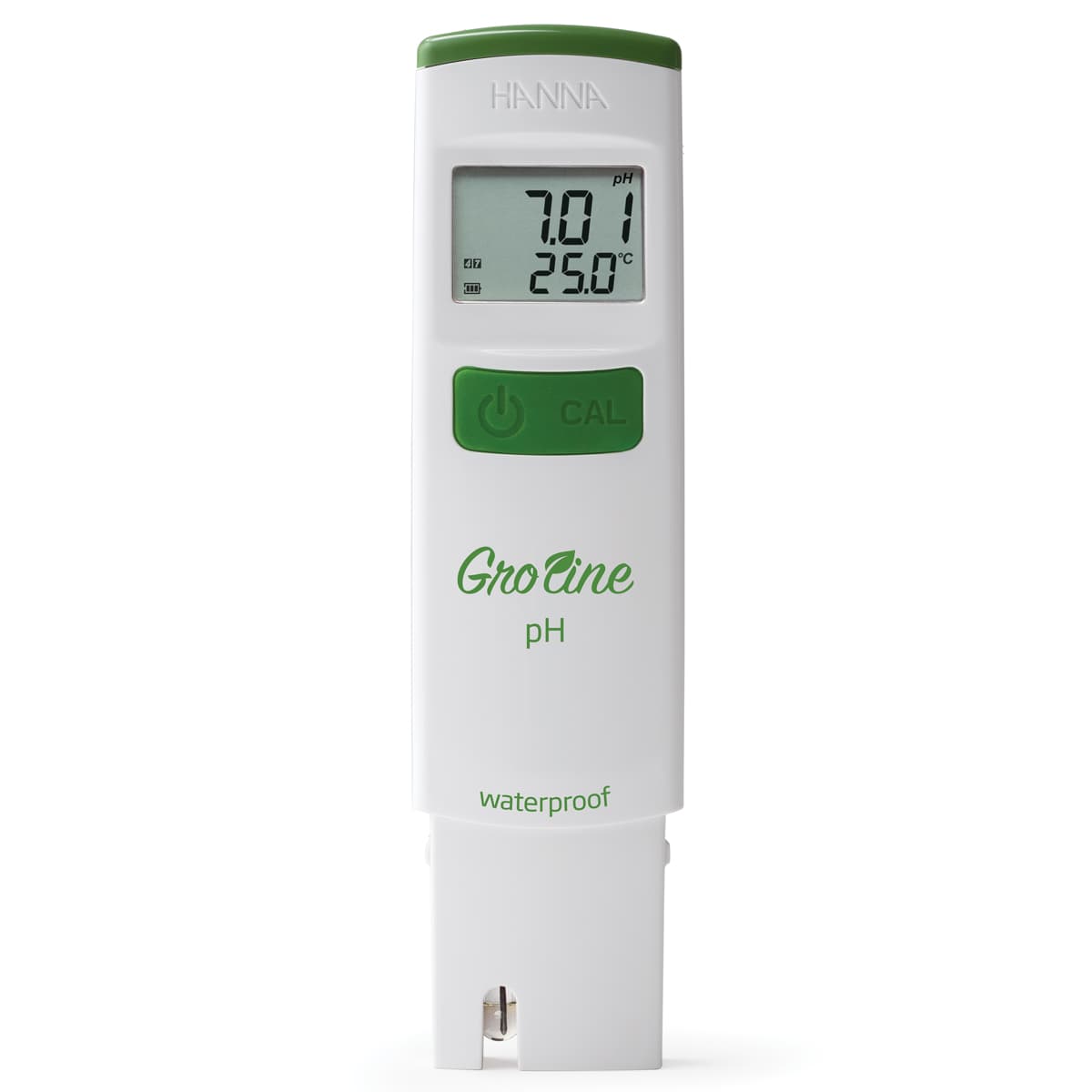
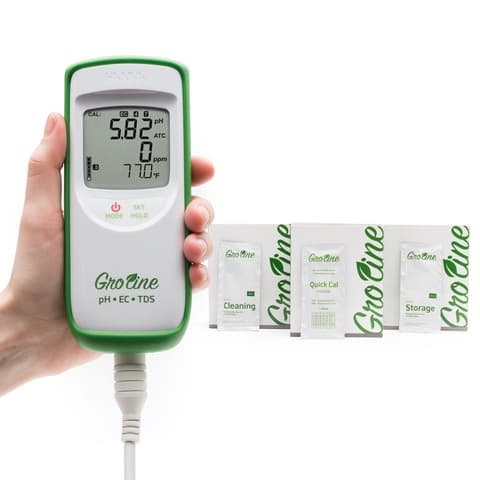
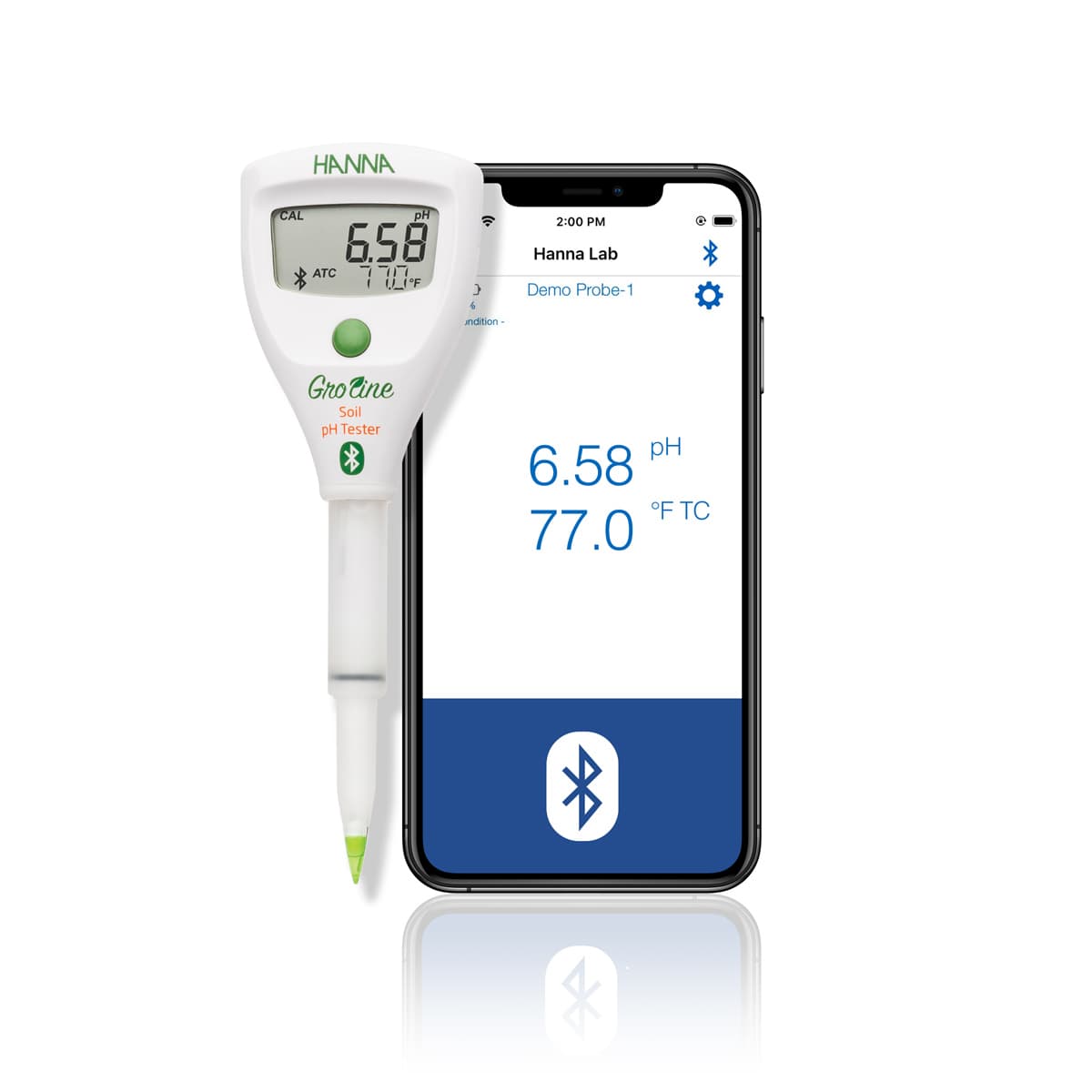
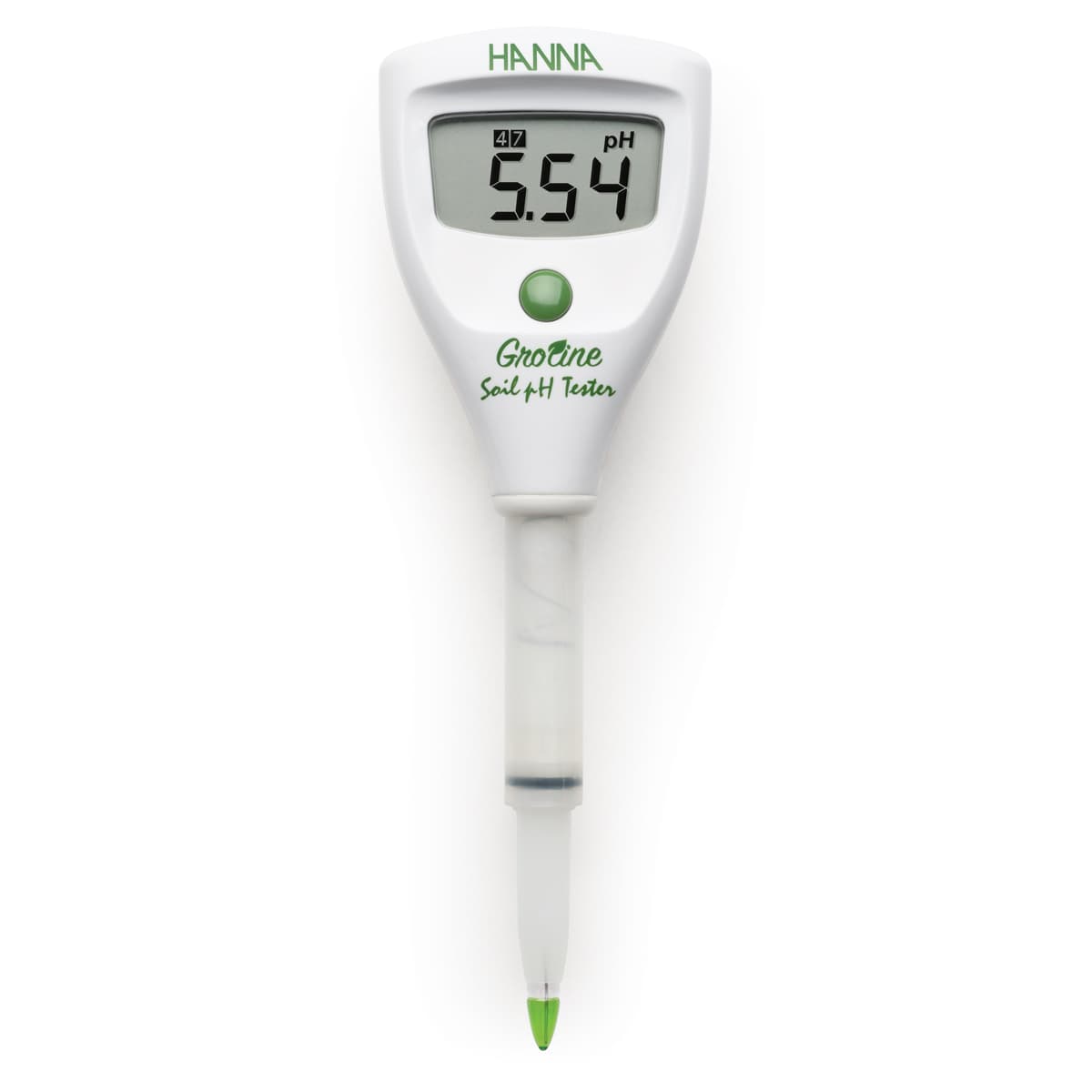
Soil, feed, fertiliser and crop laboratories — sample preparation, drying, moisture, pH and nutrient analysis. Workloads are seasonal, so stock timing matters more than usual.
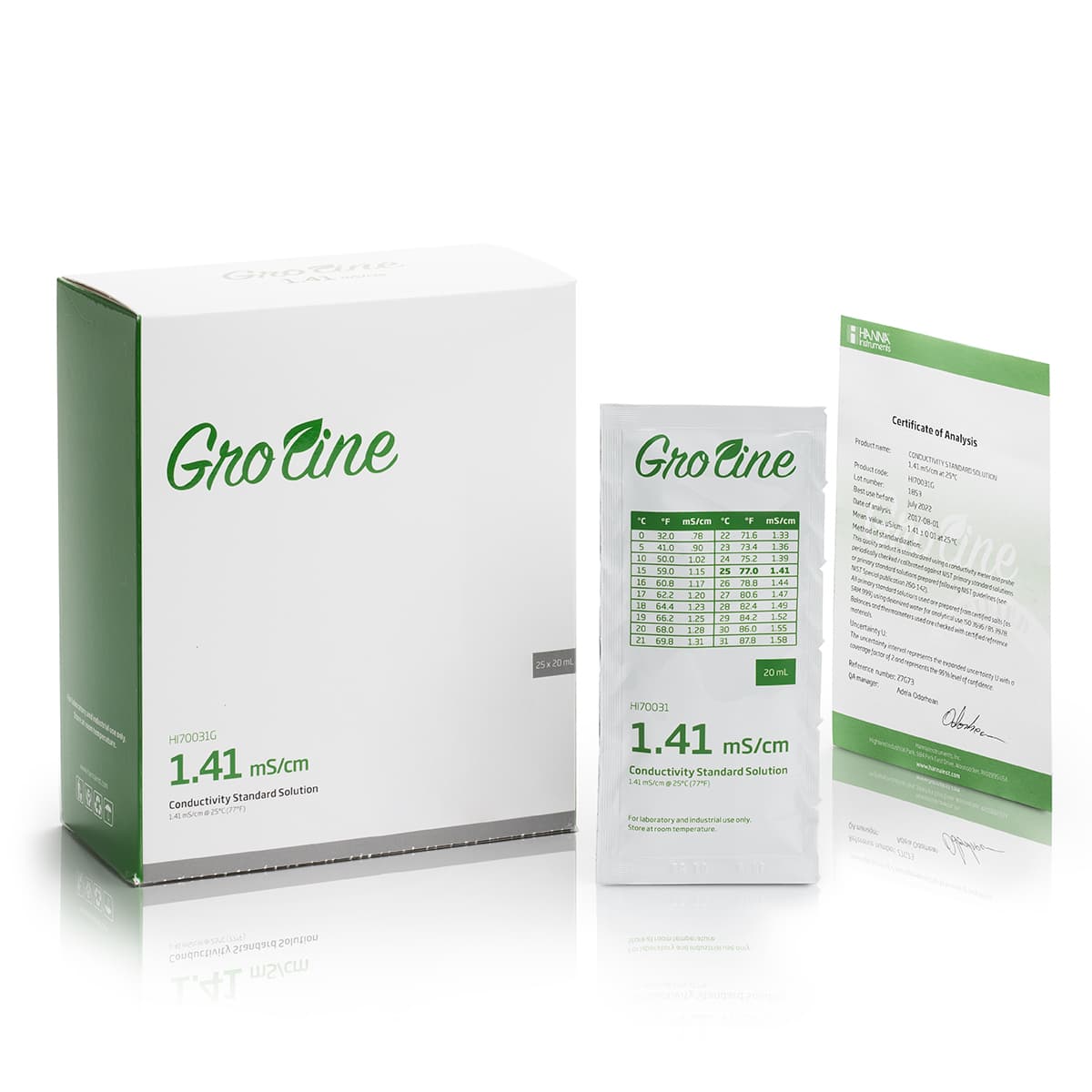
HI70031G is a premium quality 1413 µS/cm conductivity solution standardized with a conductivity meter that has been calibrated with potassium chloride NIST 2202 SRM (Standard Reference Material) in deionized water for analytical use in accordance with ISO 3696/BS3978.
HI7031-012 is a premium quality 1,413 µS/cm conductivity solution standardized with a conductivity meter that has been calibrated with potassium chloride NIST 2202 SRM (Standard Reference Material) in deionized water for analytical use in accordance with ISO 3696/BS3978.
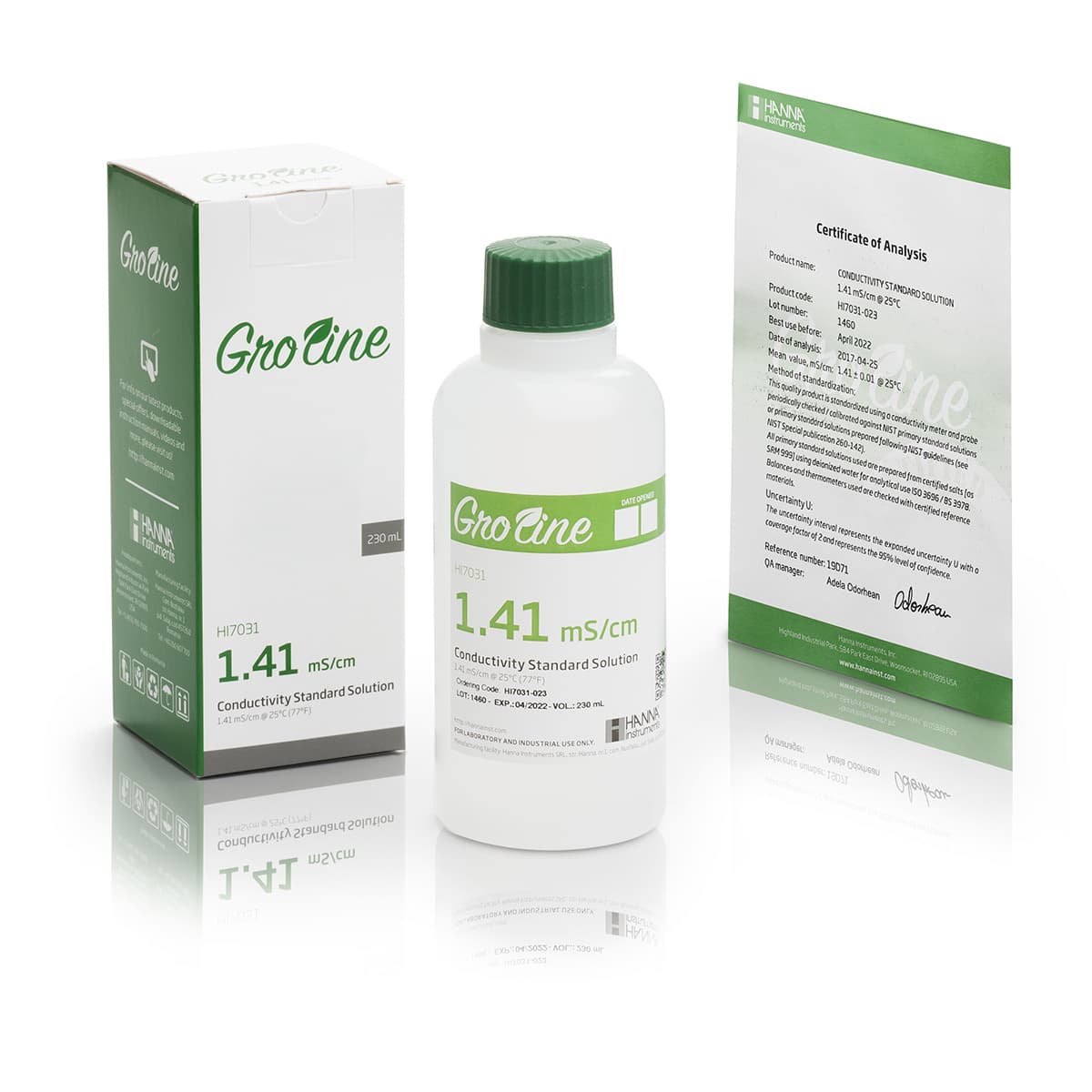
HI7031-023 is a premium quality 1,413 µS/cm conductivity solution standardized with a conductivity meter that has been calibrated with potassium chloride NIST 2202 SRM (Standard Reference Material) in deionized water for analytical use in accordance with ISO 3696/BS3978.
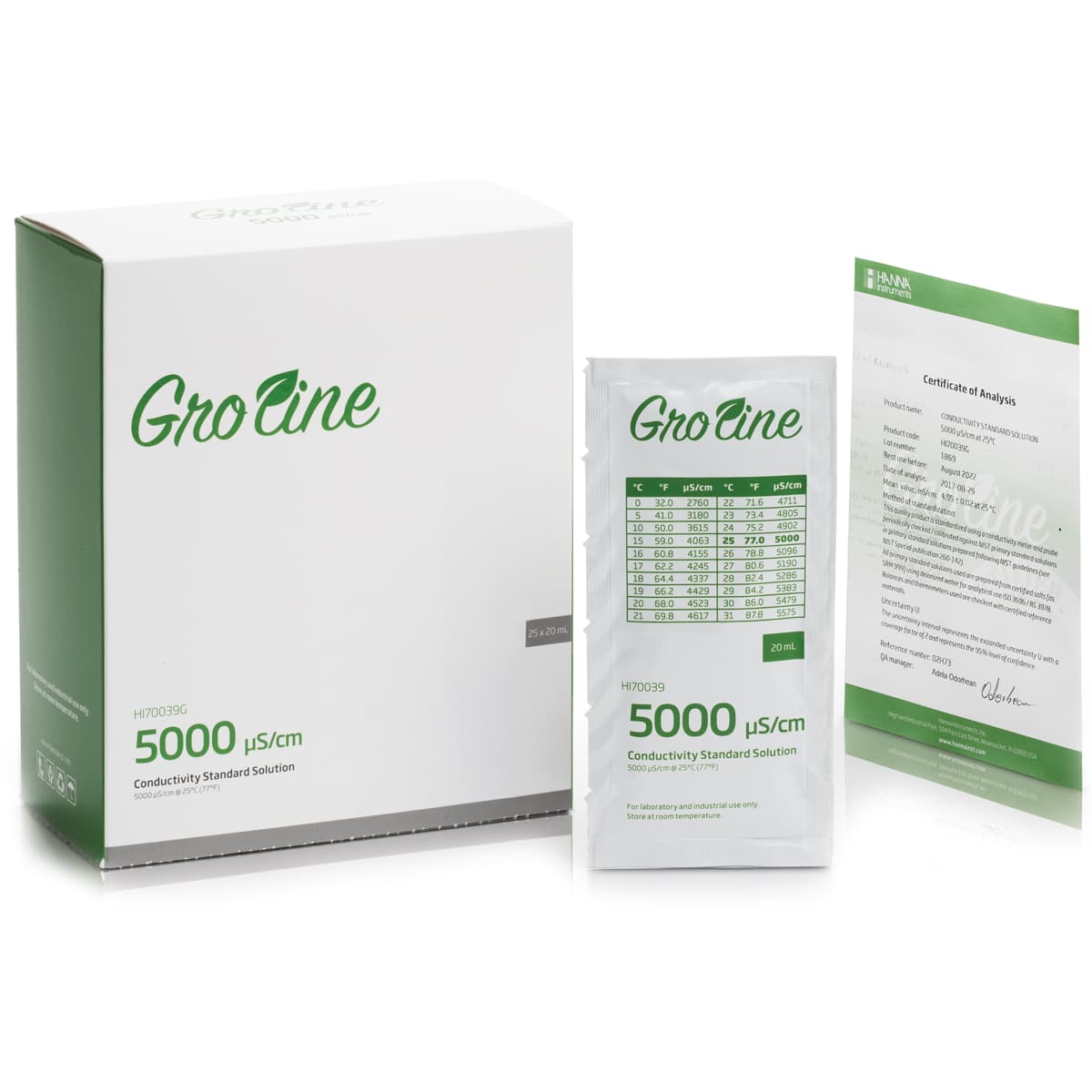
HI70039G is a premium quality 5000 µS/cm conductivity solution standardized with a conductivity meter that has been calibrated with potassium chloride NIST 2202 SRM (Standard Reference Material) in deionized water for analytical use in accordance with ISO 3696/BS3978.
HI7039-012 is a premium quality 5,000 µS/cm conductivity solution standardized with a conductivity meter that has been calibrated with potassium chloride NIST 2202 SRM (Standard Reference Material) in deionized water for analytical use in accordance with ISO 3696/BS3978.
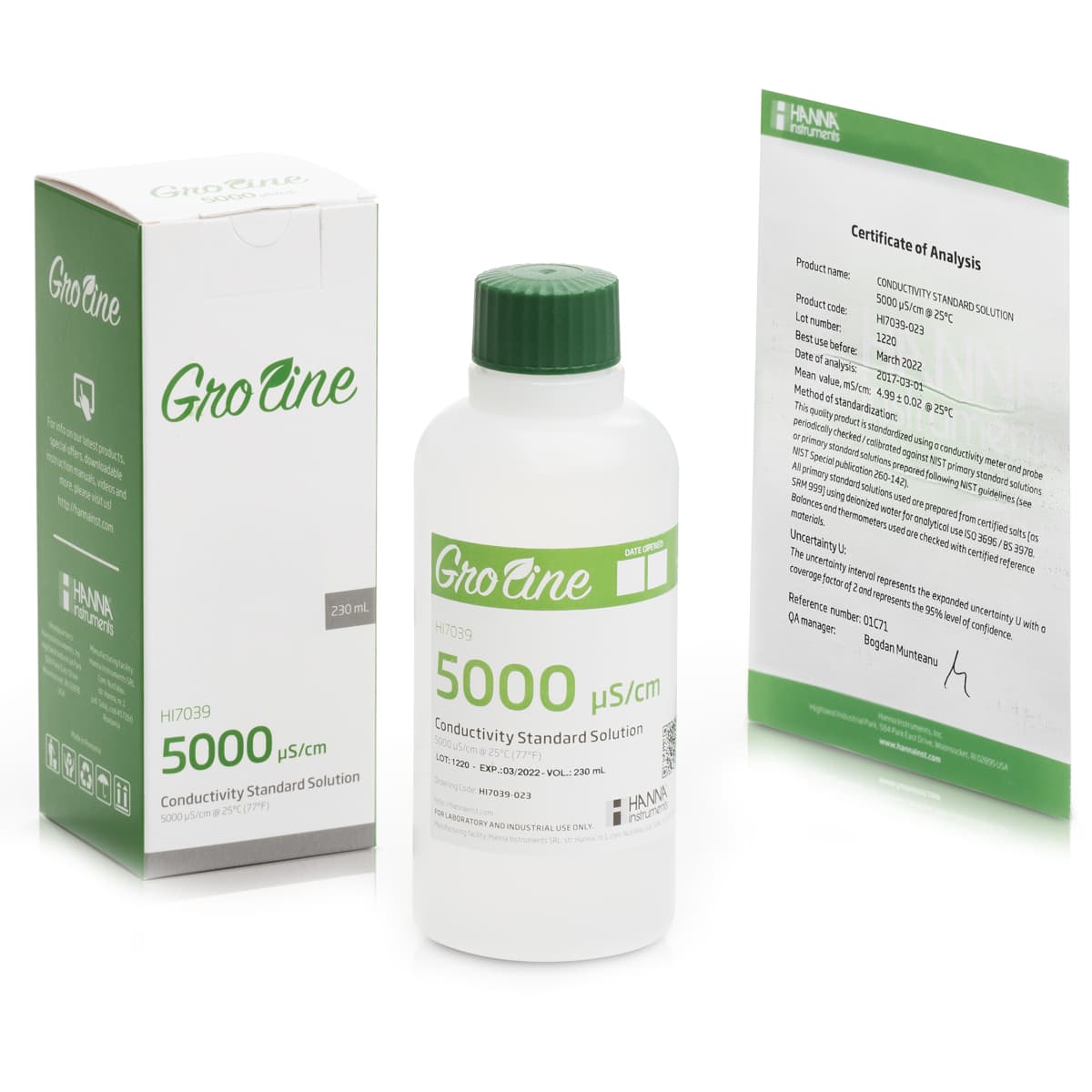
HI7039-023 is a premium quality 5,000 µS/cm conductivity solution standardized with a conductivity meter that has been calibrated with potassium chloride NIST 2202 SRM (Standard Reference Material) in deionized water for analytical use in accordance with ISO 3696/BS3978.
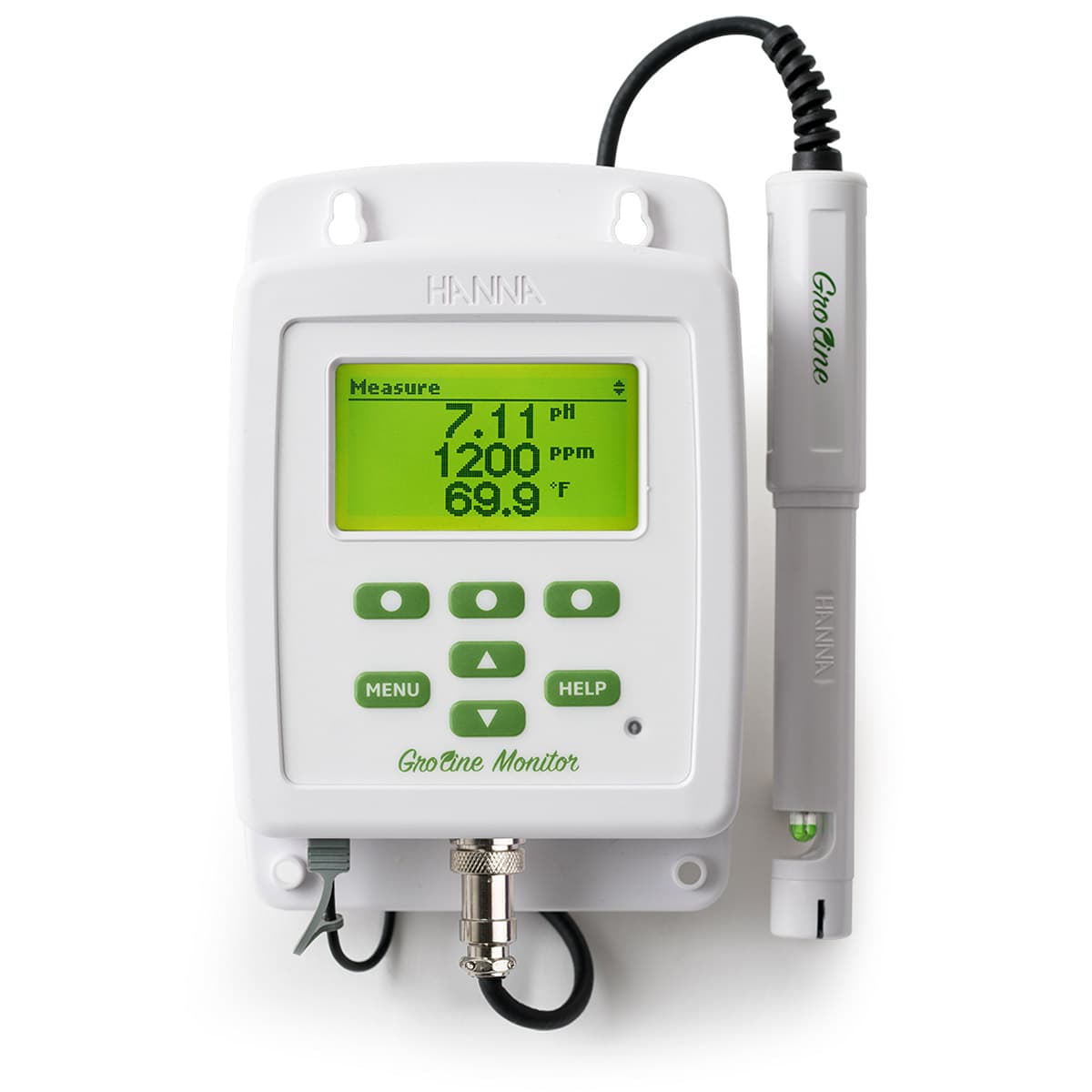
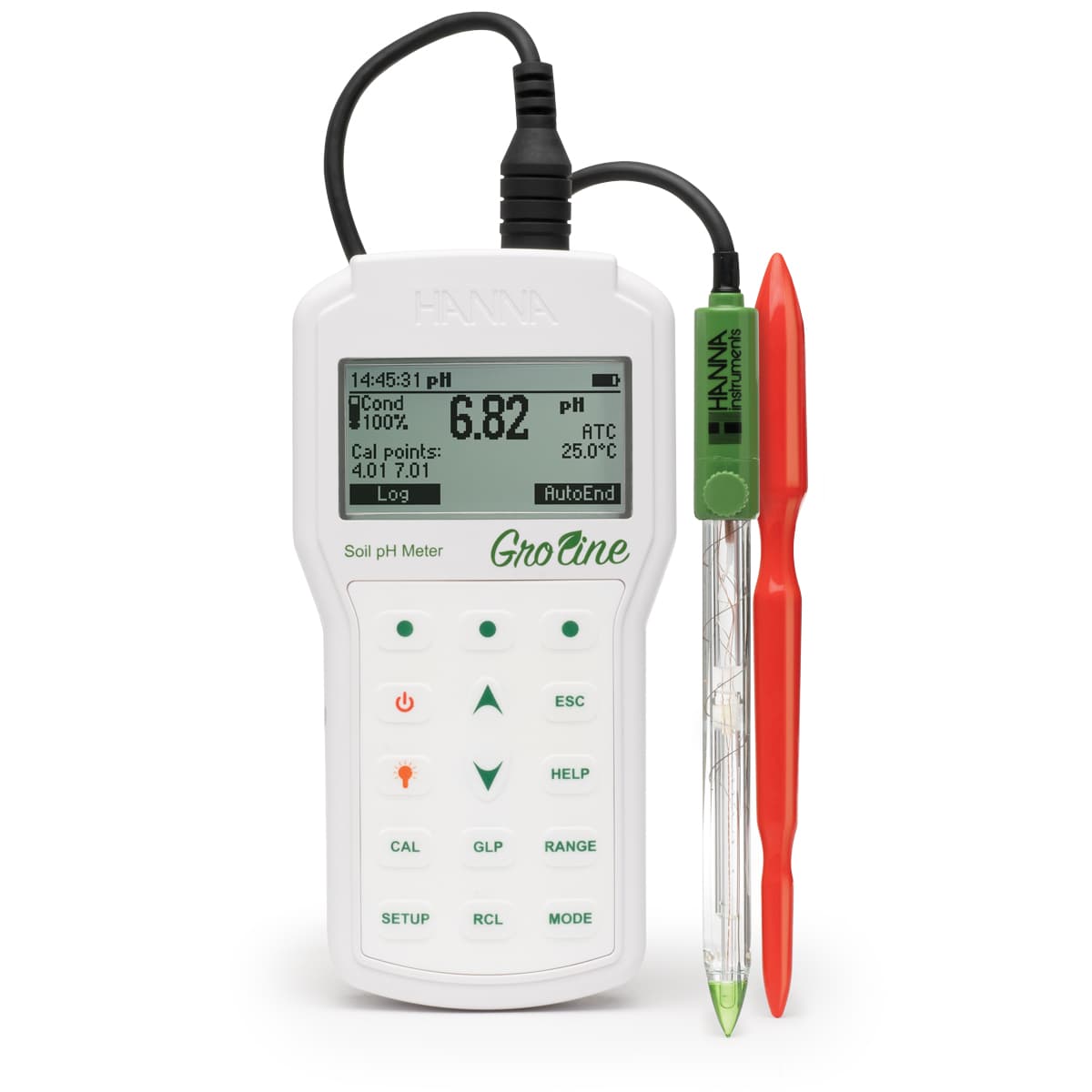
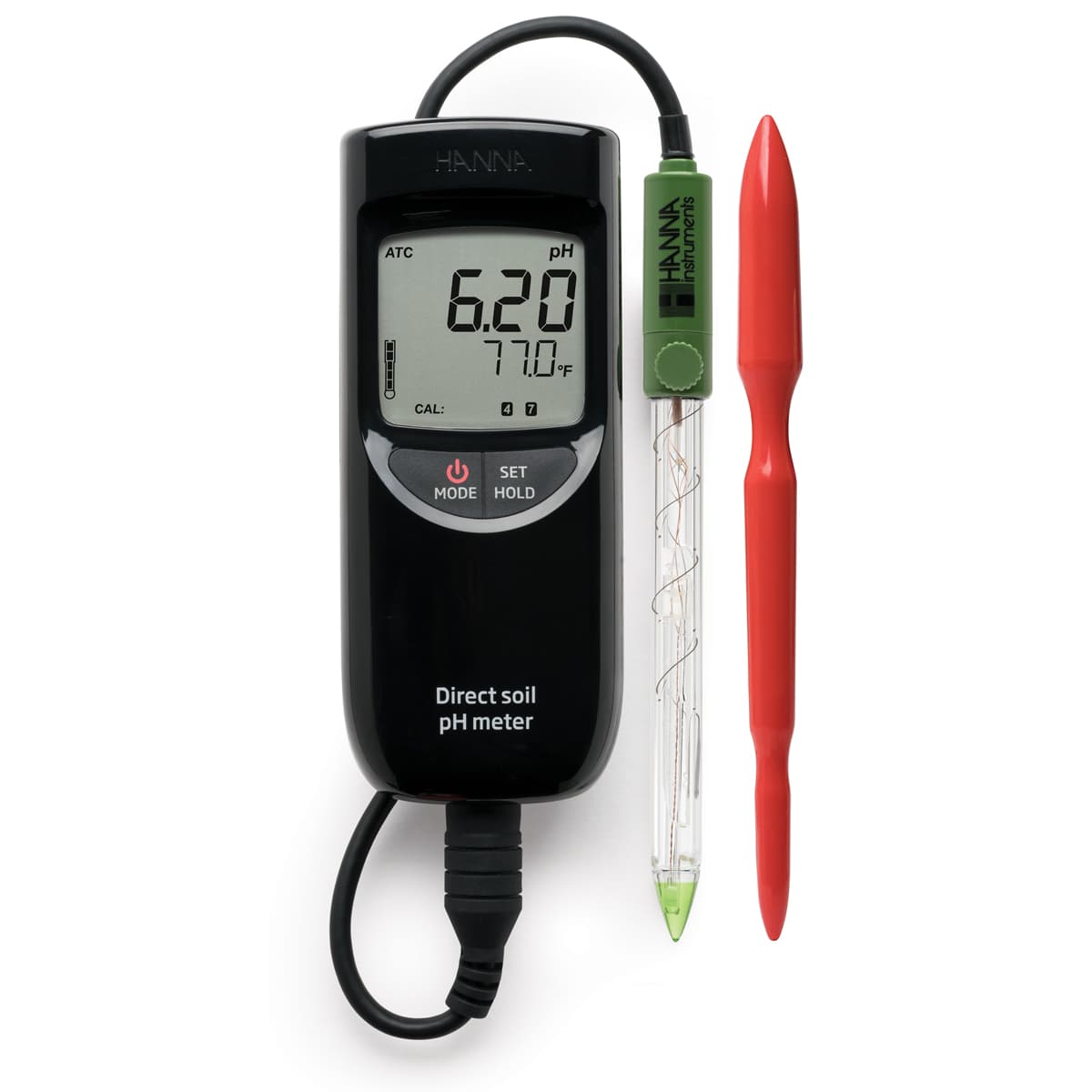
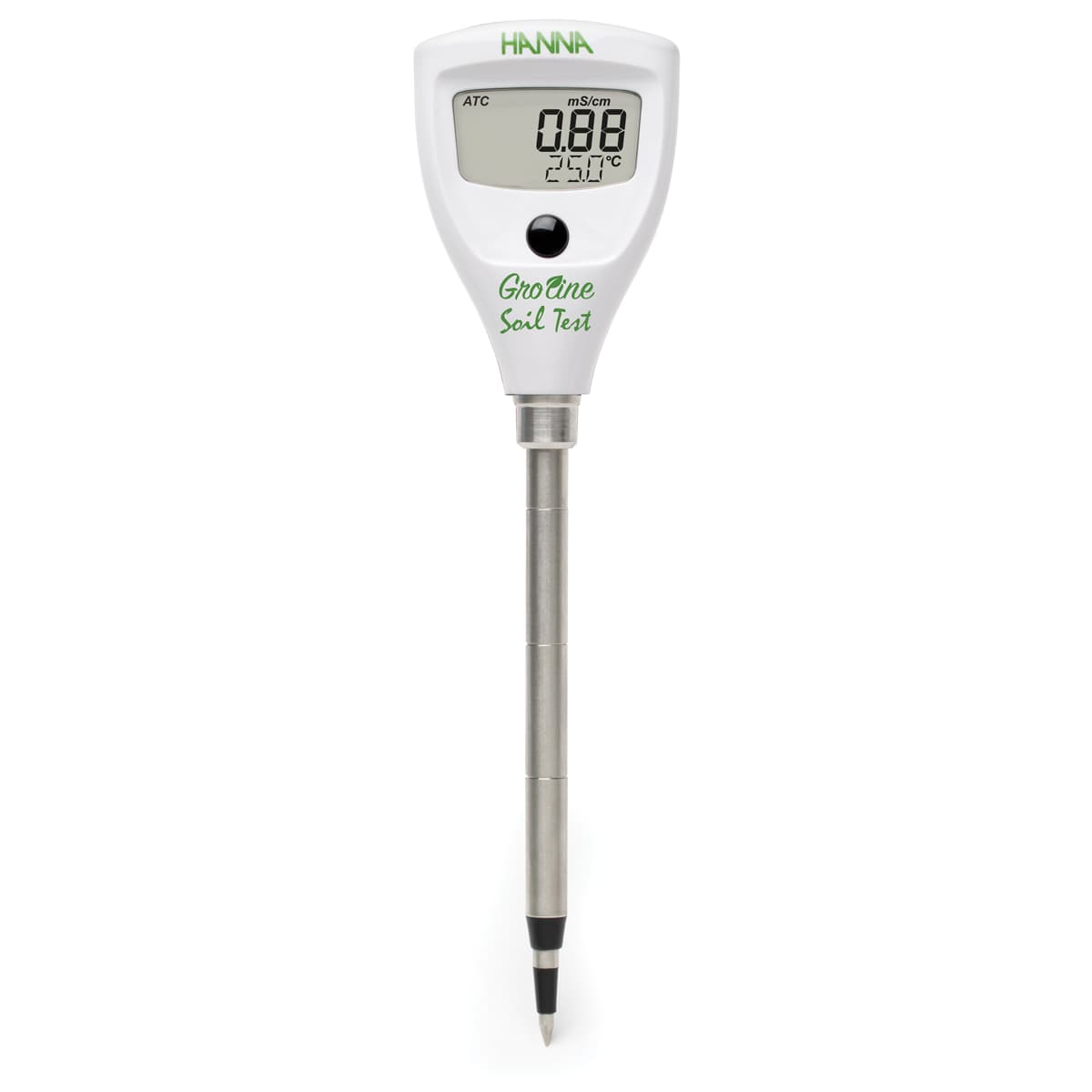
Tells you the pH of the soil, the overall NPK nutrient level in the soil, and the soil or compost temperature, so you know the general condition of the soil and can care for plants precisely both before and after planting.
An instrument for measuring soil quality: soil pH, moisture, light intensity and total NPK in the soil. Used to check the condition of growing plots, outdoors or in a greenhouse, providing data for planning soil preparation and conditioning before planting, or for adjusting conditions to suit the crop being grown or planned.
4.3" LCD screen and microcomputer control system Temperature range Room temp +5℃ up to +300℃
Measuring range 0.1 - 100%
Sample weight 0.5 - 15g
Capacity per batch 6 pcs/batch
Solvent cup volume 80mL
Solvent recovery ≧80%
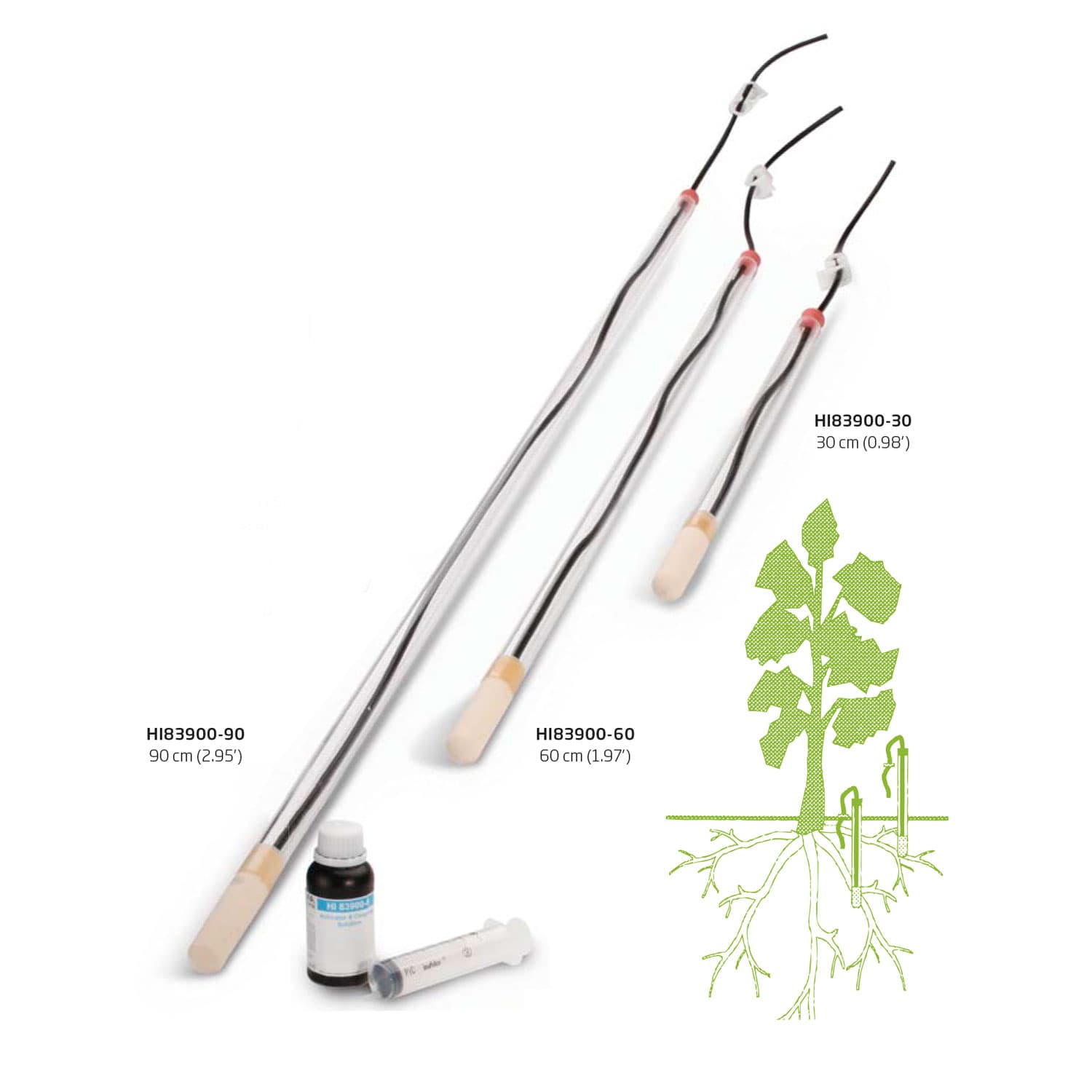
Three Tube Lengths Hanna offers the HI83900 in three different lengths: 30 cm, 60 cm, or 90 cm. No matter what the depth of the root level, users can easily extract a soil solution that represents the concentration of nutrients available for plant uptake.
Suitable for measuring chlorine in aquaculture water, including ornamental fish keeping, and also usable in various industries such as food, beverages, hospitals, and shrimp and poultry farms.
Suitable for measuring chlorine in aquaculture water, including ornamental fish keeping, and also usable in various industries such as food, beverages and hospitals.
Nitrite in water comes from the decay of organic matter. It is absorbed into aquatic animals through the gills and reacts with haemoglobin in the blood, preventing oxygen transport, causing blood disorders and possibly killing the animals. A nitrite reading above 0.5 mg/l is considered fairly dangerous.
Measures the alkalinity of water. At a suitable level, alkalinity acts as a buffer that keeps pH from changing quickly; low alkalinity lets pH change rapidly, which can endanger aquatic animals. Suitable for testing water in swimming pools, shrimp farms, aquatic plant cultivation and water used in various industries.
Ammonia matters in aquaculture because it is both a toxin for aquatic animals and a fertiliser for phytoplankton growth. At high concentrations it is dangerous to aquatic animals; in culture ponds most ammonia comes from the animals' excretion and leftover feed.
Dissolved oxygen is an indicator of water quality and is important for aquatic animals and plants; too little oxygen in the water can be harmful to them.
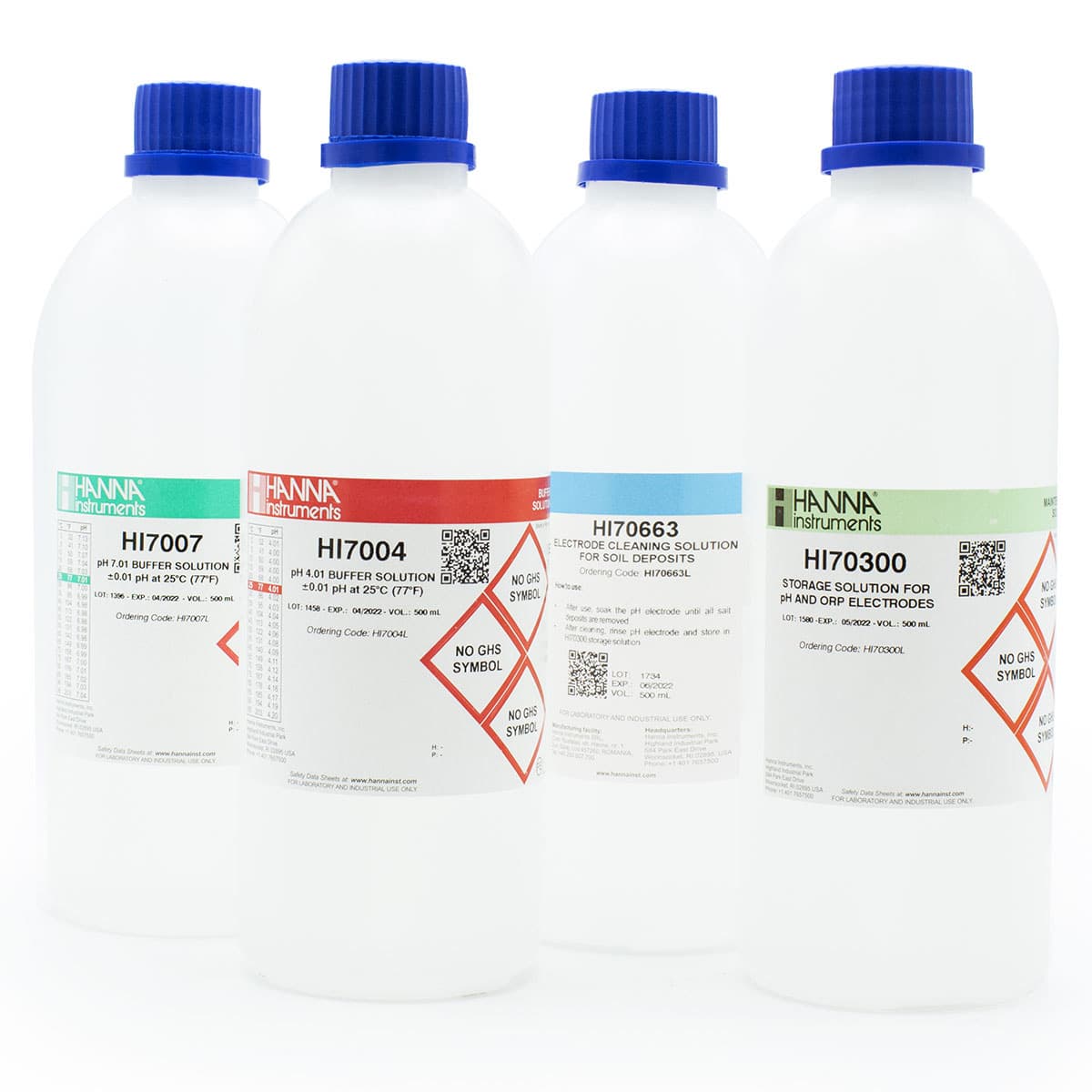
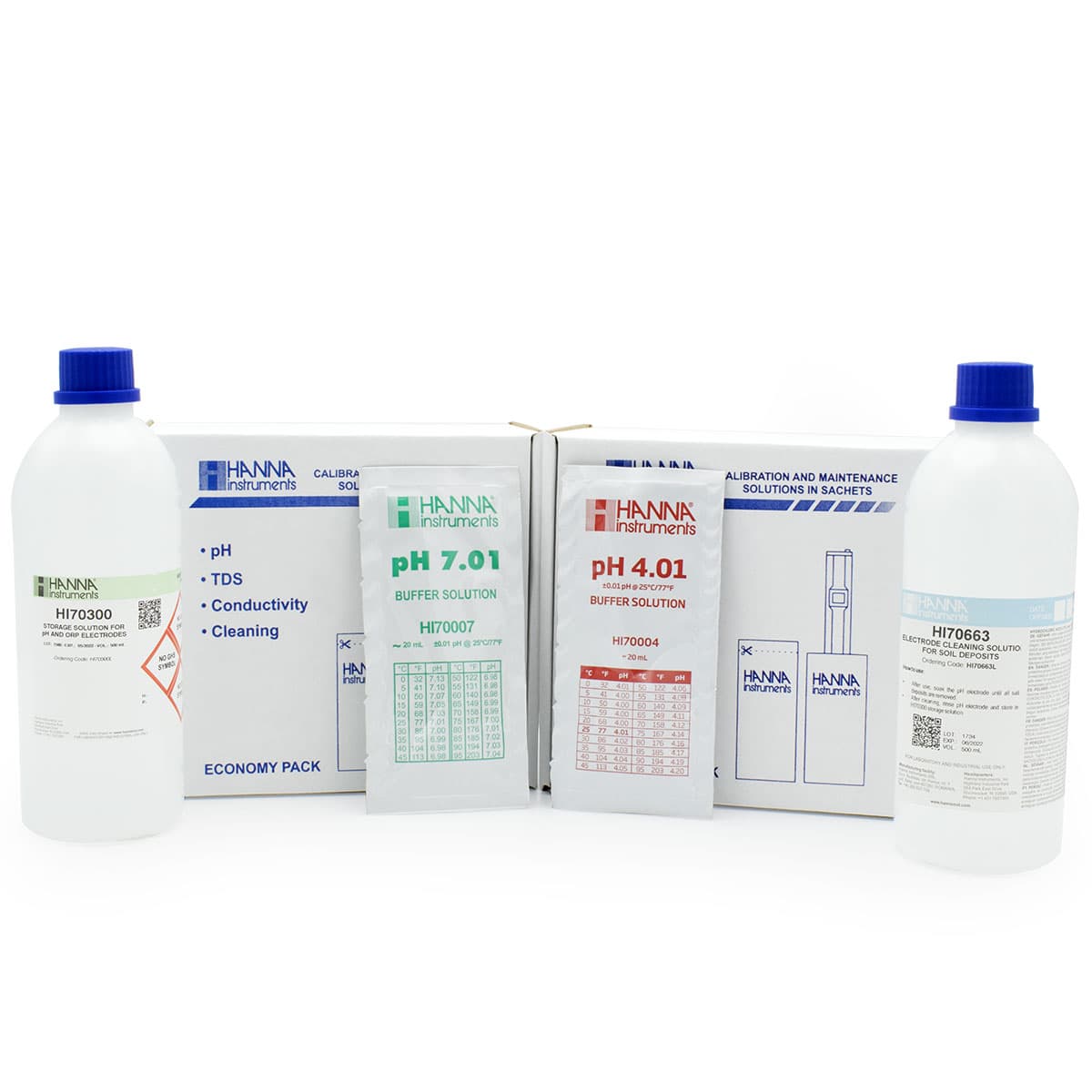
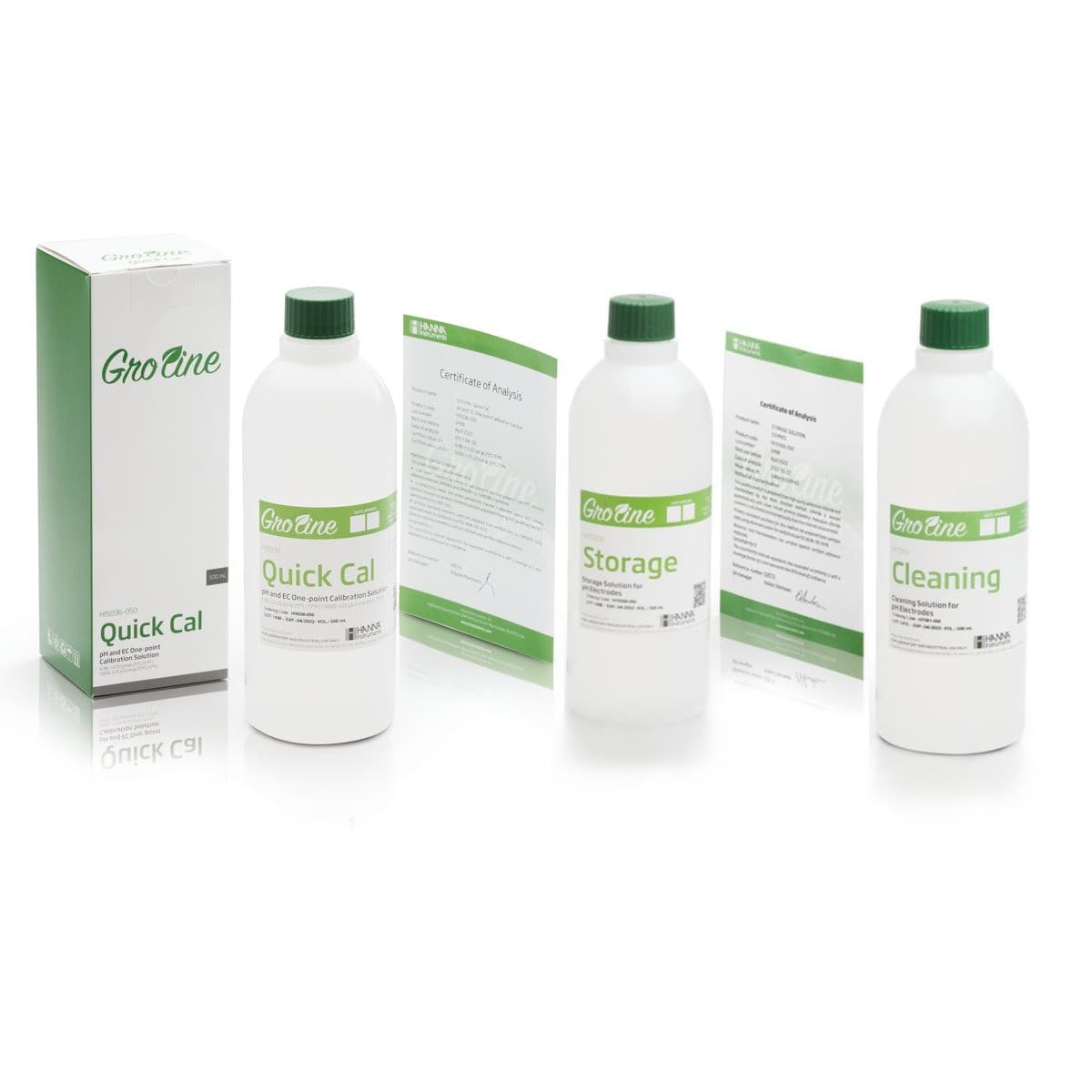
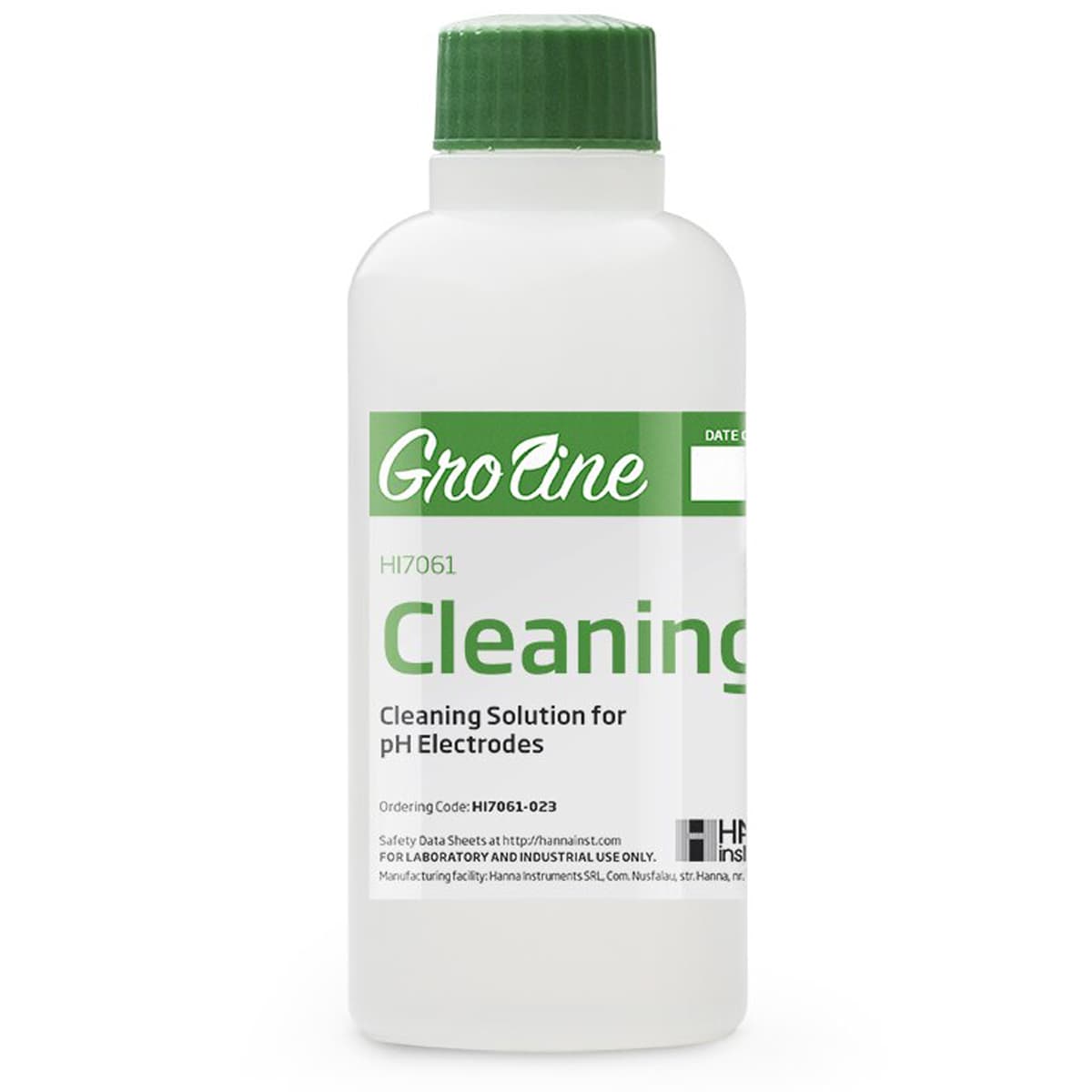
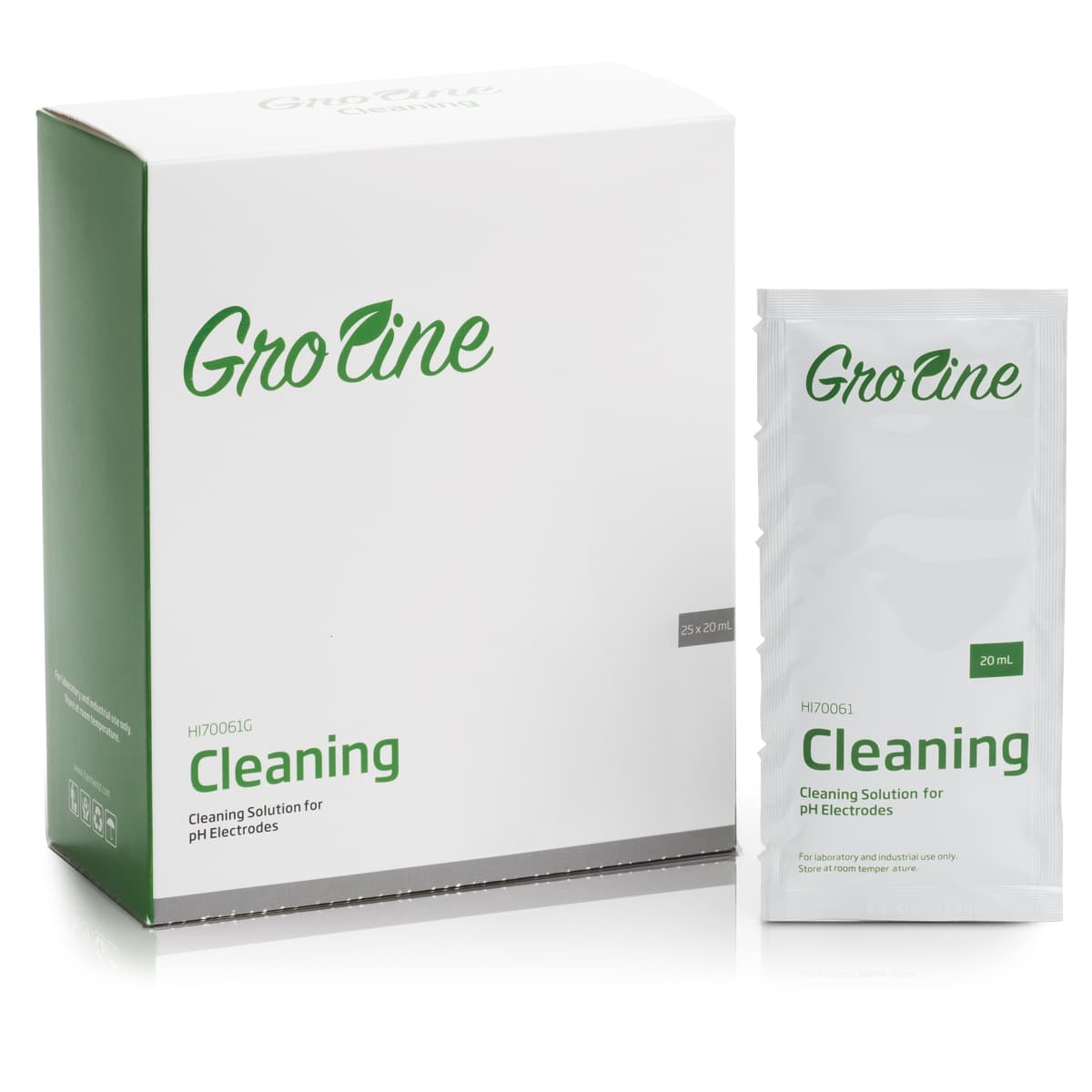
The most common cause for pH measurement inaccuracies is an unclean or improperly cleaned electrode. This is very important to note, because during calibration, the instrument assumes that the electrode is clean and that the standardization curve created during the calibration process will remain a valid reference…
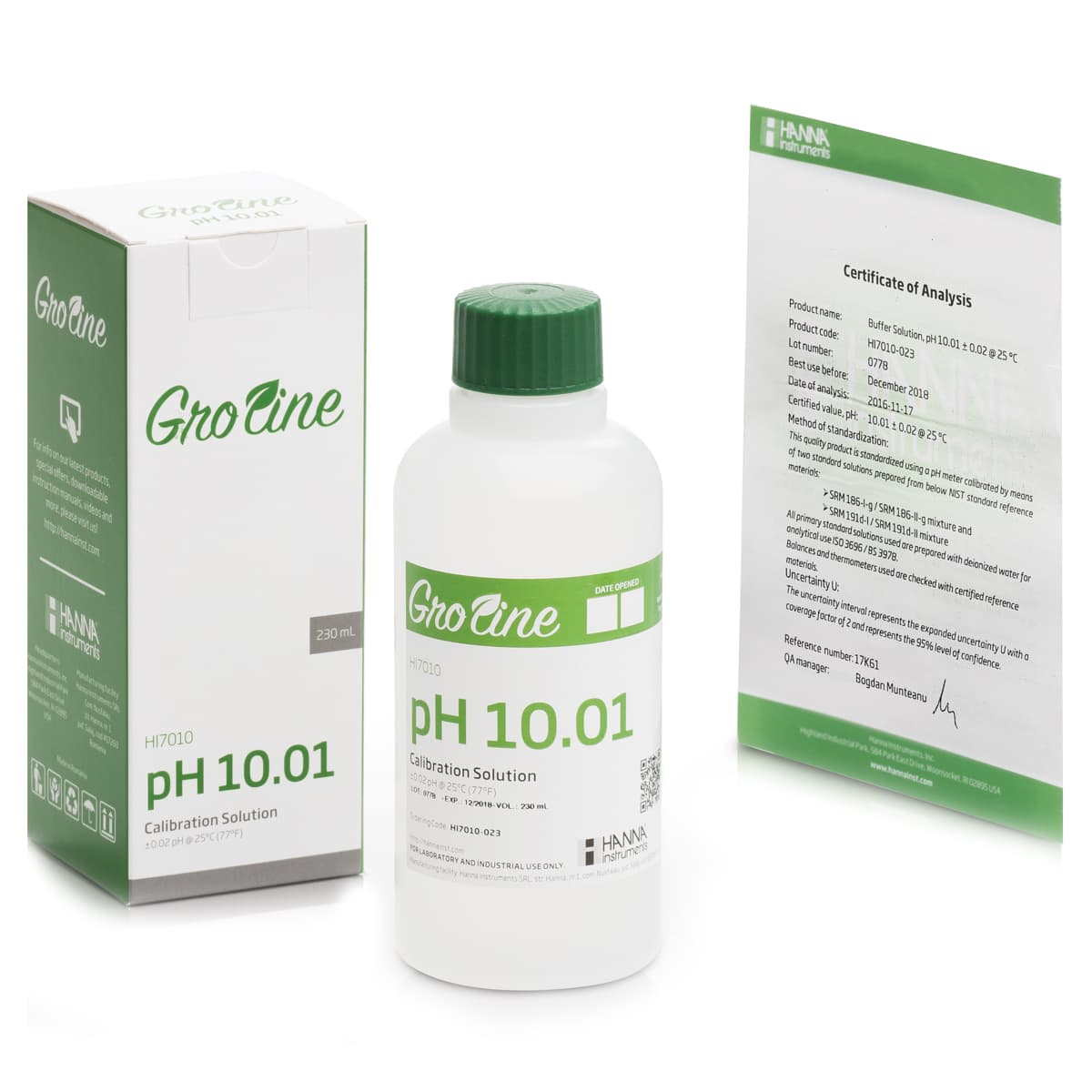
HI7010-023 is a high quality pH 10.01 calibration buffer produced in accordance with ISO 3696/BS3978 standards using high purity salts, deionized water, certified weight-checked balances, and Class A glassware in a temperature controlled environment monitored with certified thermometers.
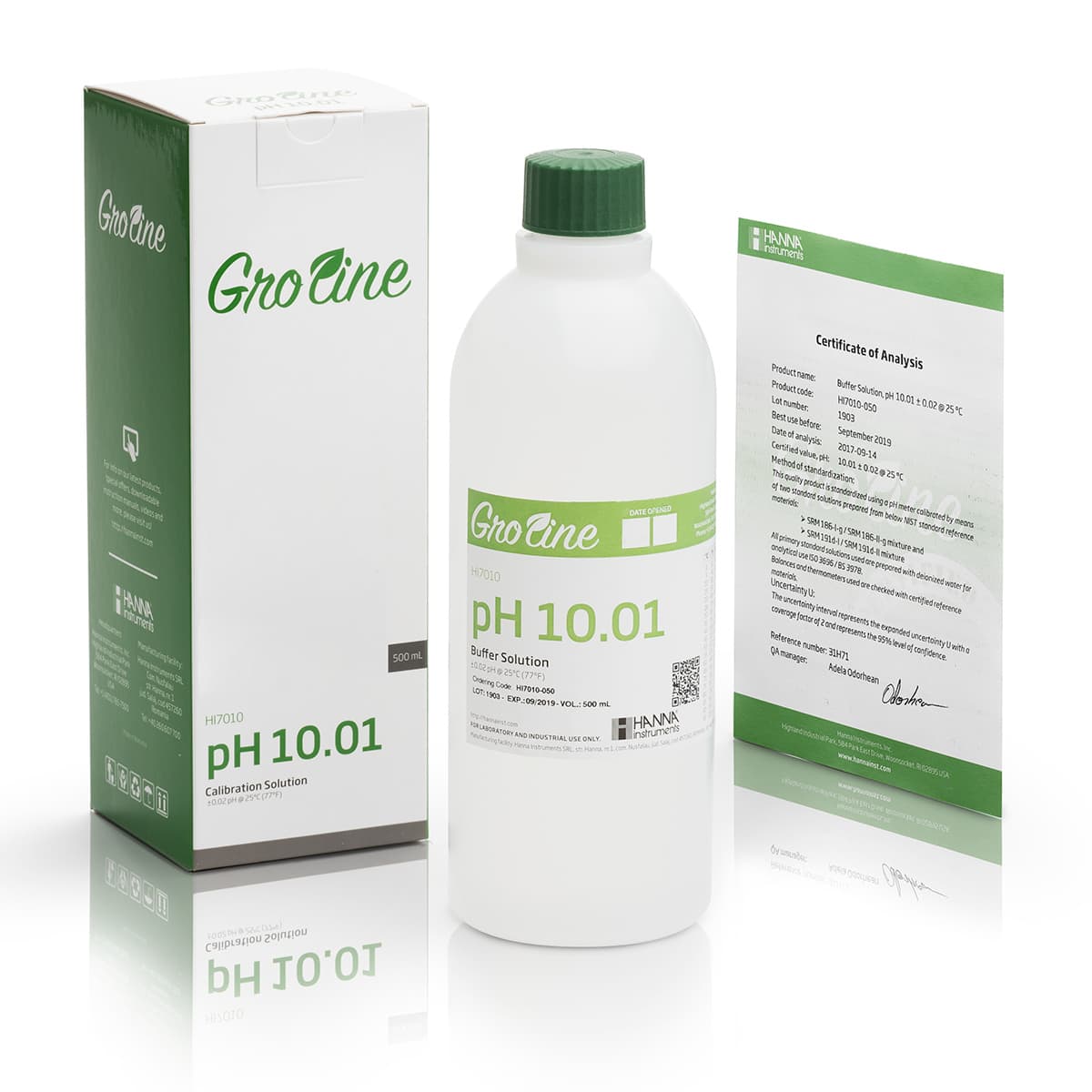
HI7010-050 is a high quality pH 10.01 calibration buffer produced in accordance with ISO 3696/BS3978 standards using high purity salts, deionized water, certified weight-checked balances, and Class A glassware in a temperature controlled environment monitored with certified thermometers.
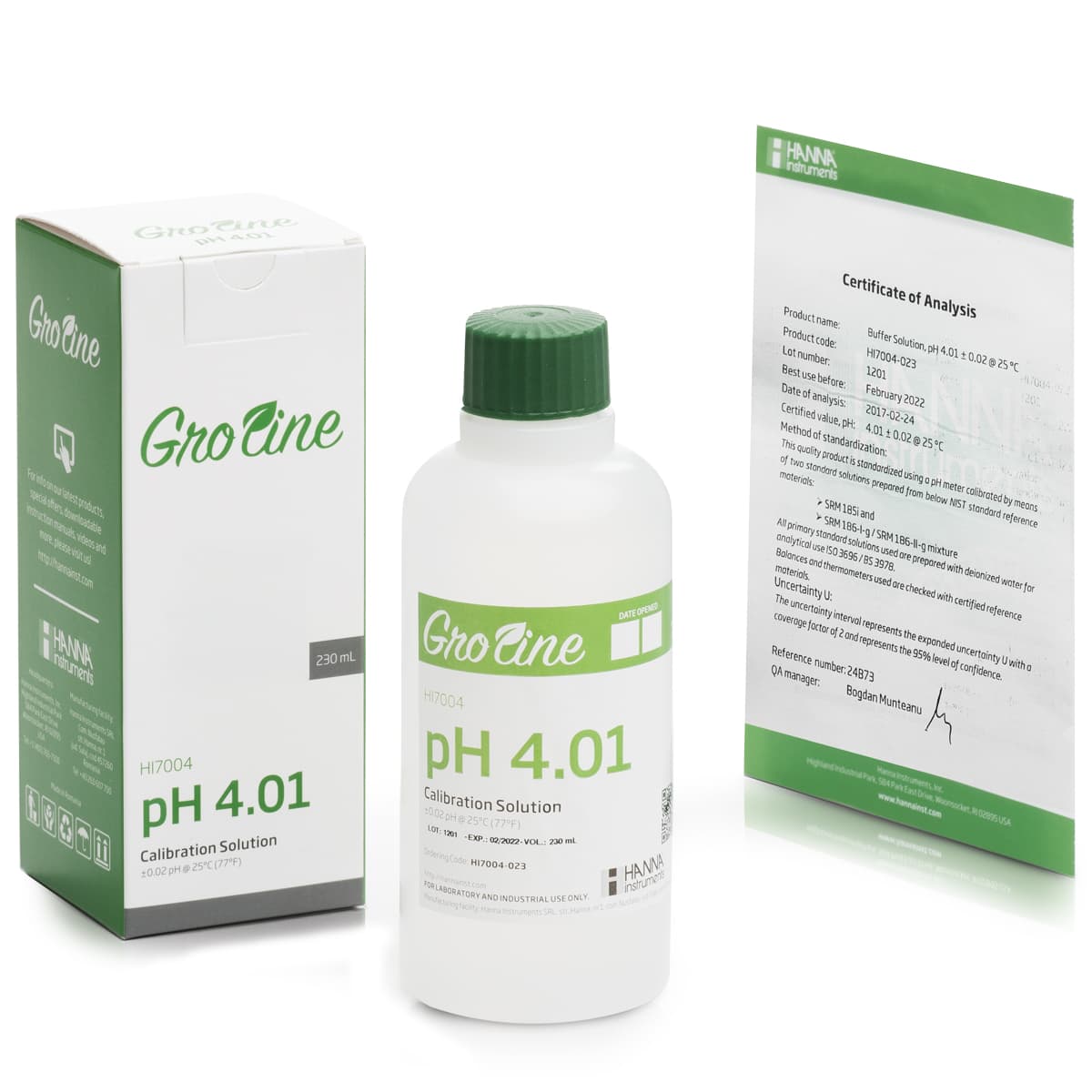
HI7004-023 is a high quality pH 4.01 calibration buffer produced in accordance with ISO 3696/BS3978 standards using high purity salts, deionized water, certified weight-checked balances, and Class A glassware in a temperature controlled environment monitored with certified thermometers.