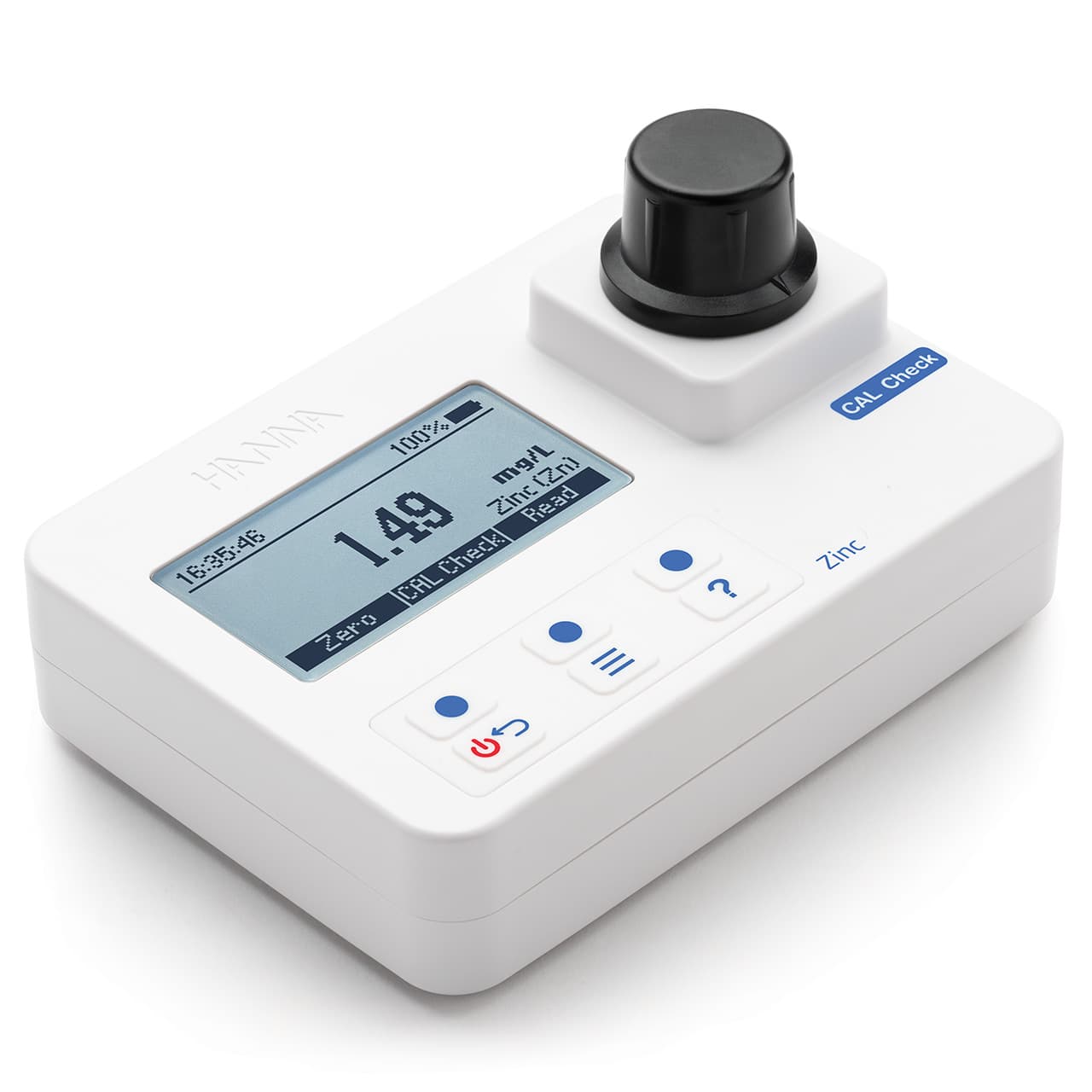
Let your photometer guide you through setup, calibration, and testing with on-screen tutorials and animations so you always know the next step. Simply access Tutorial Mode at any stage in the setup or measurement process with the dedicated help key.
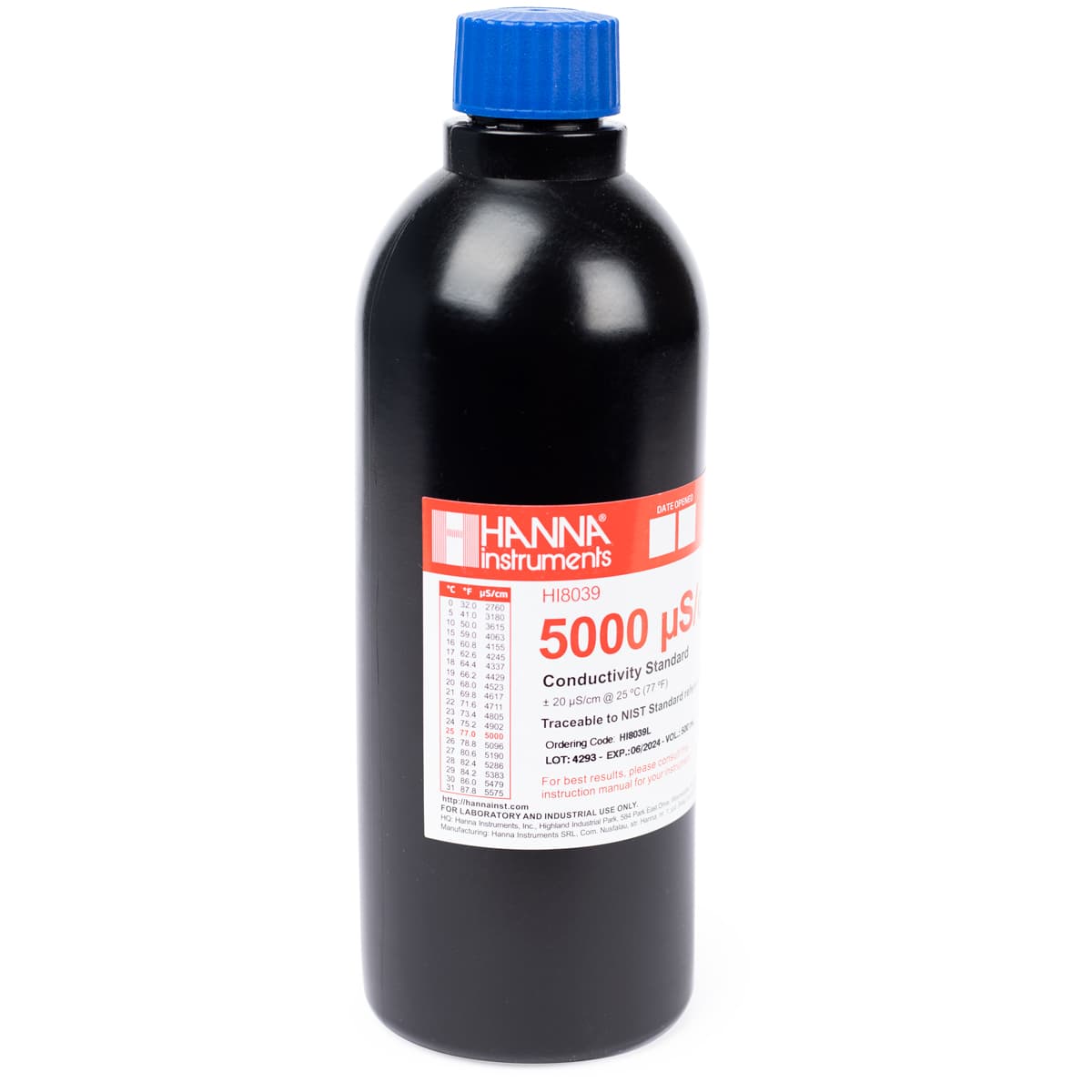
H8039L is a premium quality 5,000 µS/cm conductivity solution standardized with a conductivity meter that has been calibrated with potassium chloride NIST 2202 SRM (Standard Reference Material) in deionized water for analytical use in accordance with ISO 3696/BS3978.
A basic science-laboratory instrument for heating and burning chemicals to observe the flame colour when studying the properties and composition of elements, or for use with a tripod and wire gauze to boil water, chemicals and mixtures; also for flame-sterilising equipment in science laboratories, tissue-culture rooms and other work that requires heat.
A vacuum glass desiccator (Desiccator Vacuum) used to draw moisture out of chemicals so that only the chemical remains, with no moisture or water in the molecules of the substance; a desiccant must also be placed inside the jar. It has a lid with a stopcock hole, a glass stopcock and a porcelain plate. The complete Vacuum Desiccator With Glass Stopcock and Porcelain Plate set comprises the glass jar, the perforated glass lid, the porcelain plate and the glass stopcock.
Body made of quality chrome-plated steel with a glossy finish that does not peel; Reset knob for setting the number, accurate on every press; Finger ring prevents it from dropping during use
Shows the temperature at the moment of reading as well as the maximum and minimum temperature over 24 hours; Easy to use, indoors or outdoors, with no need for the user to stand and watch
Precision measuring instrument for small objects, measuring lengths from 0-25 mm, with a two-layer cylindrical metal body; Suitable for measuring the width or thickness of a workpiece
An instrument for measuring relative humidity (moisture in the air). The thermometer on the left measures ordinary air temperature and is called the dry-bulb thermometer; the one on the right has its bulb wrapped in thin white cloth wetted with water, with the end of the cloth dipped in water, and is called the wet-bulb thermometer.