
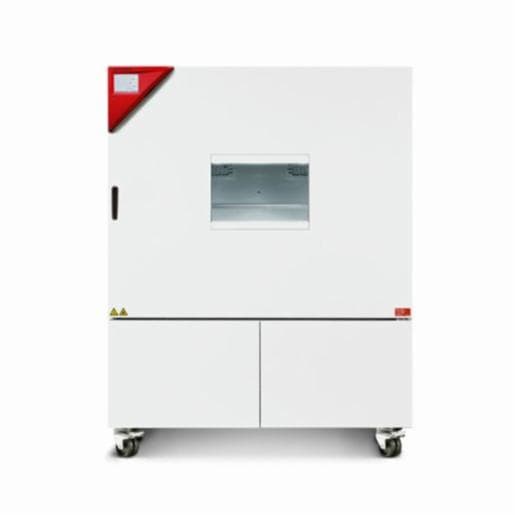
01
Application and temperature range
State the work and the set point. General microbiology usually sits at 30–37 °C, BOD and environmental work near 20 °C, and mammalian cell culture needs a CO2 incubator, which is a different instrument class.
Free quotations · Genuine products · Delivery across Thailand, export on request
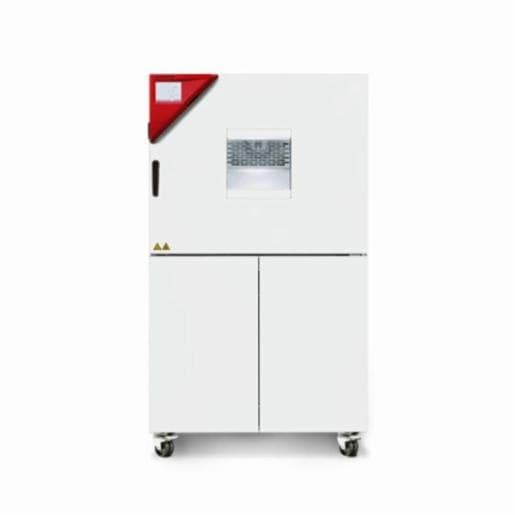
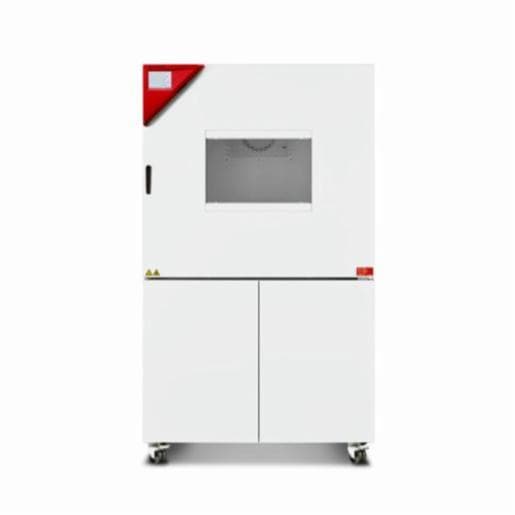
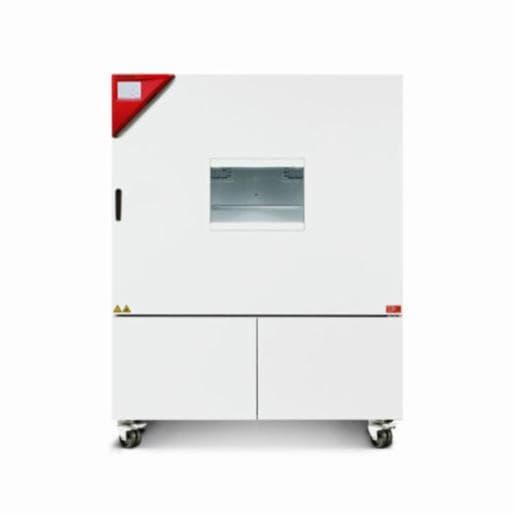
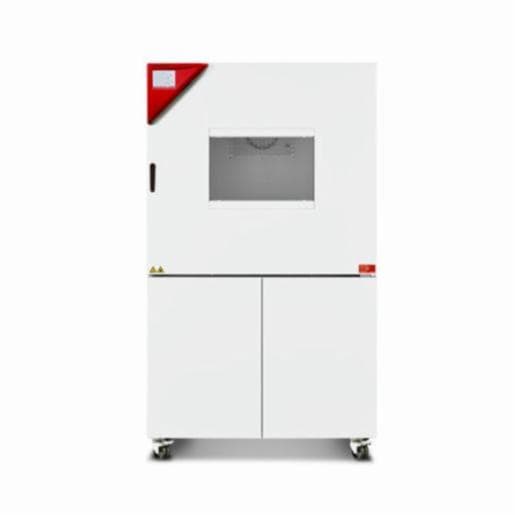
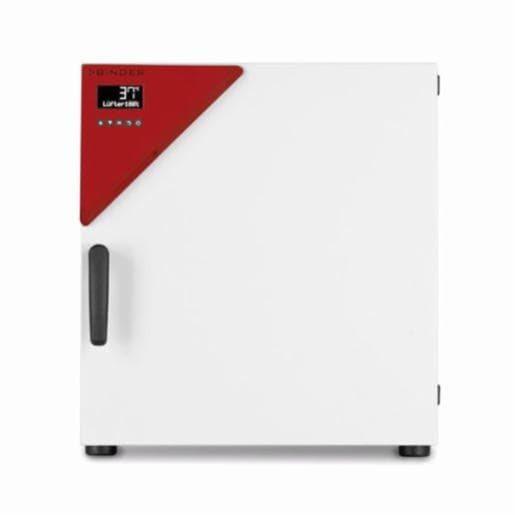
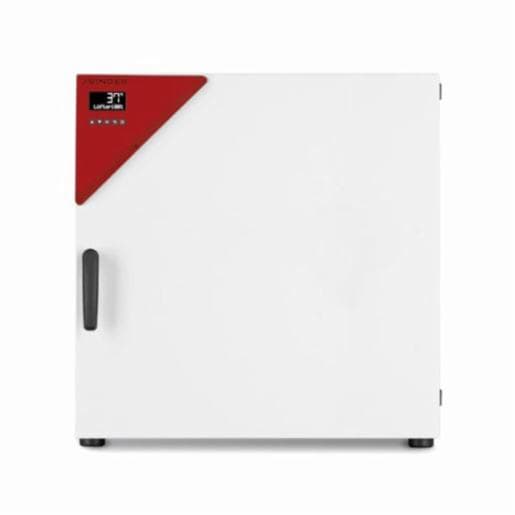
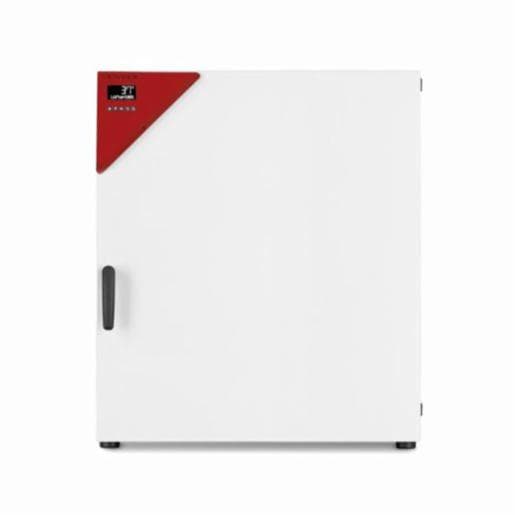
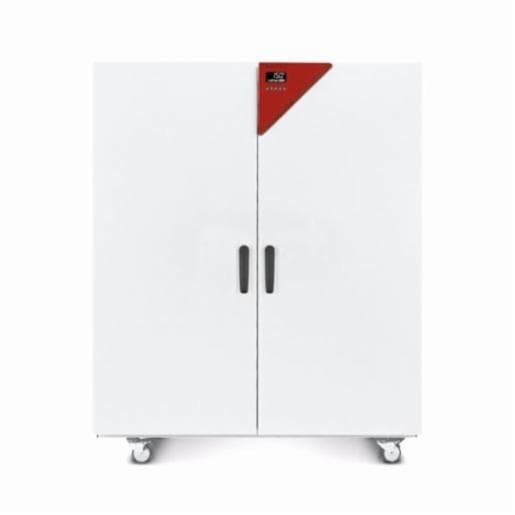
Laboratory incubators for culture work, food and water testing and BOD determination: natural and forced convection models from Memmert, Binder and France Etuves, plus cooled and BOD incubators. Tell us the chamber volume and temperature range for a free quotation.
TL;DR
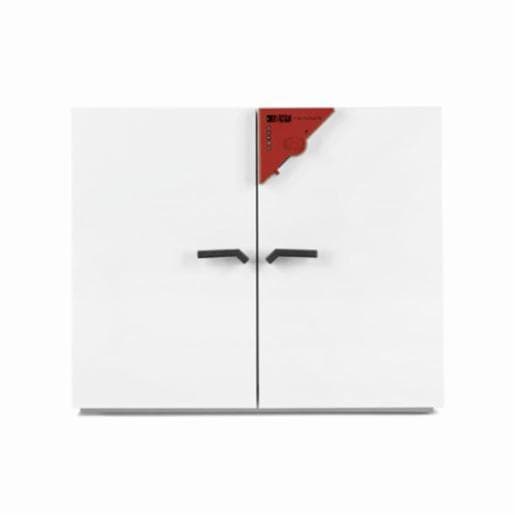
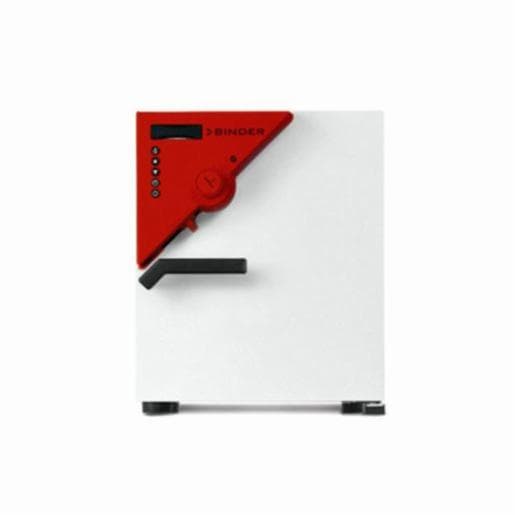
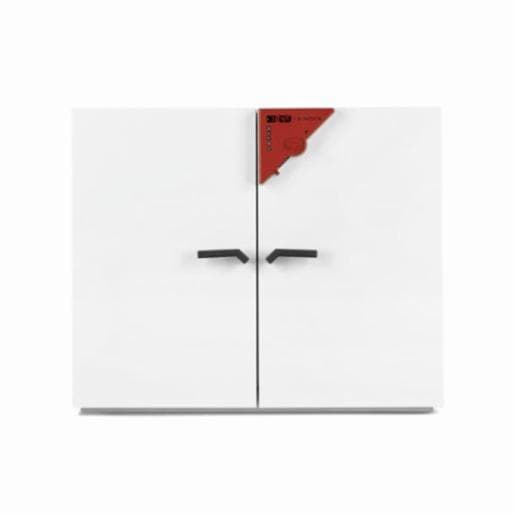
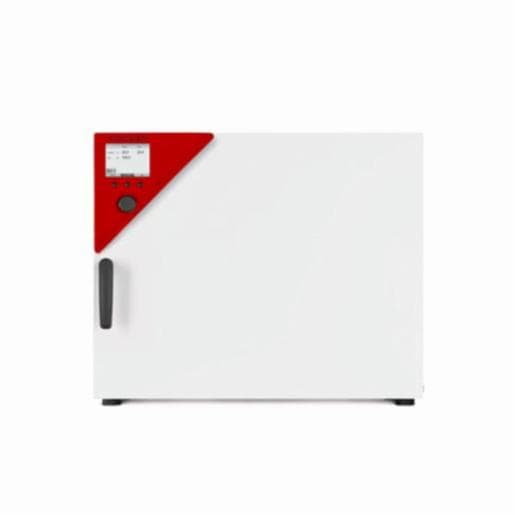
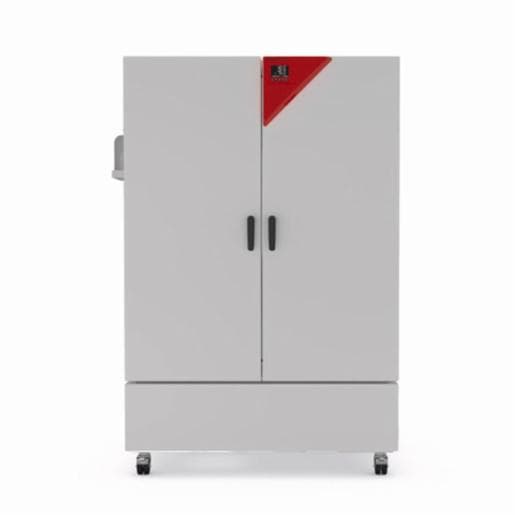
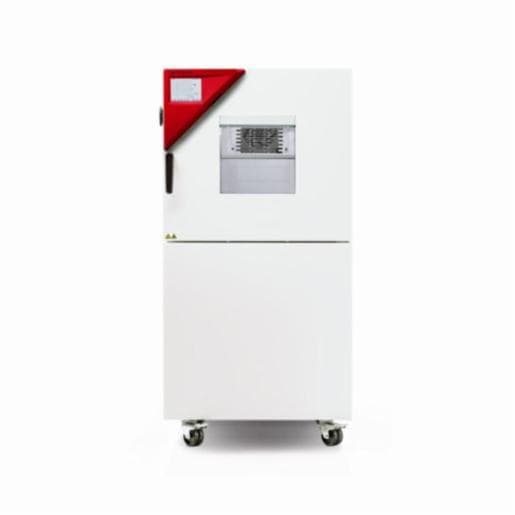
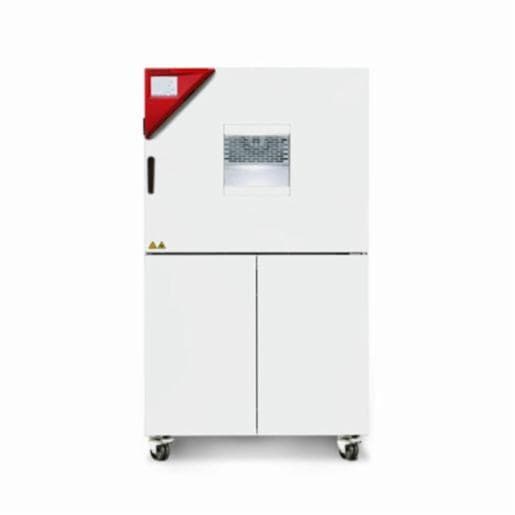
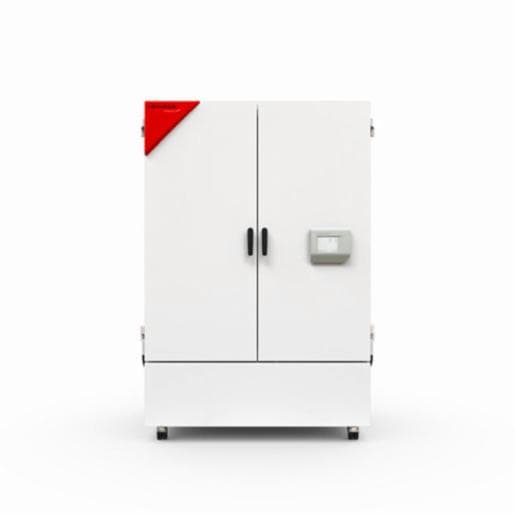
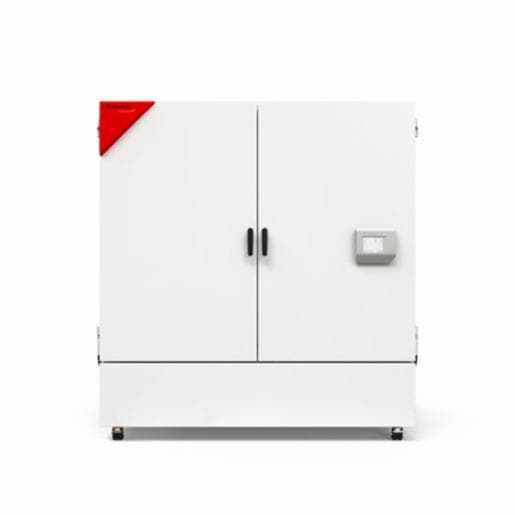
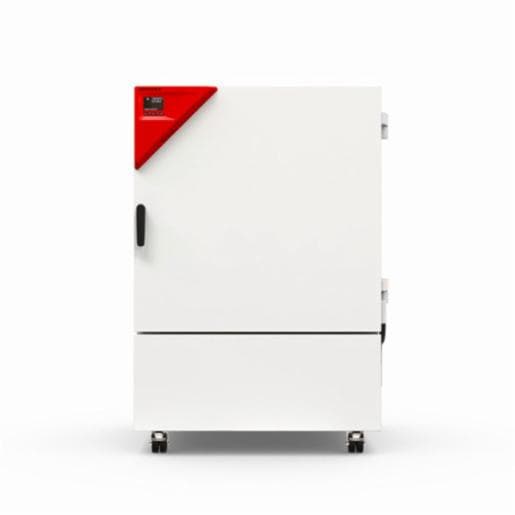
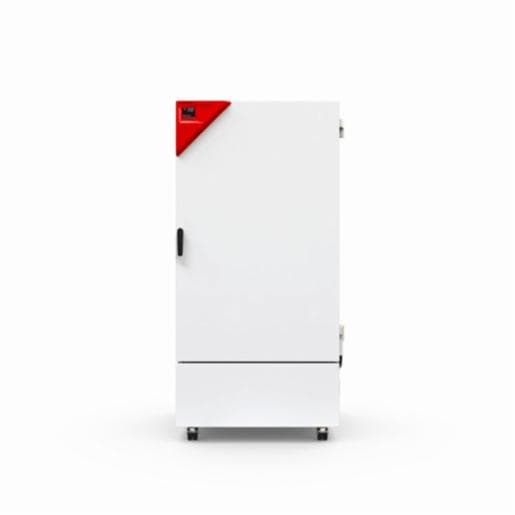
We supply laboratory incubators in Thailand: Memmert IN and IF, BINDER BD and the cooled BINDER KB, plus France Etuves and BOXUN models. A set point at or below room temperature, such as a 20 °C BOD test, needs a cooled incubator. Every model is quoted on request.
162 products · page 2 of 3
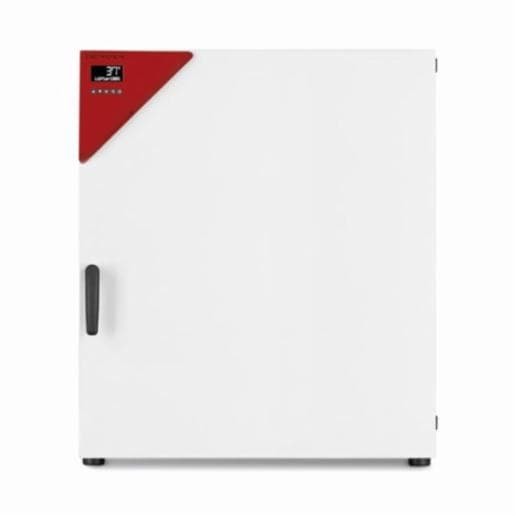
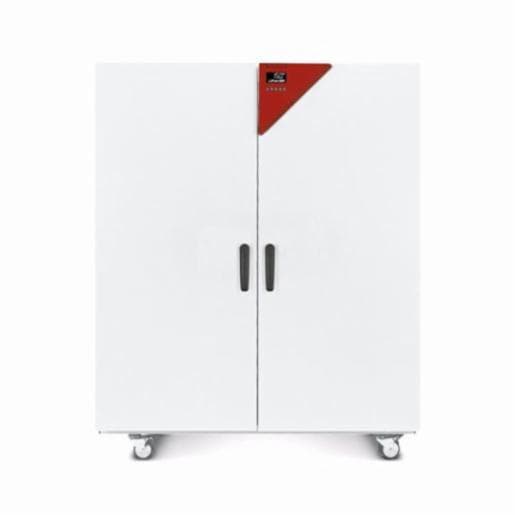
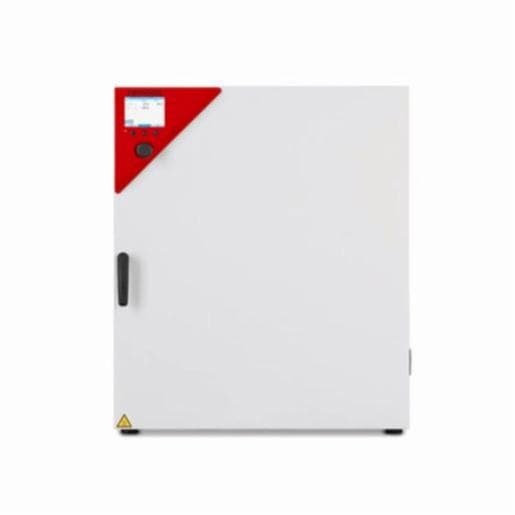
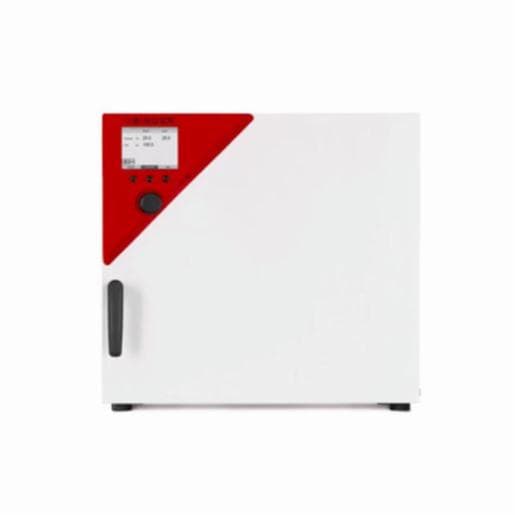


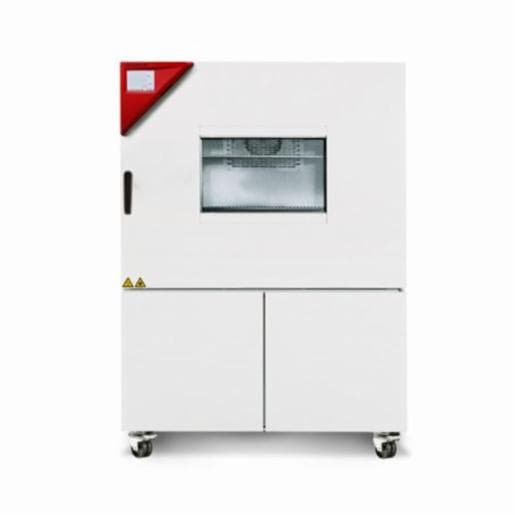

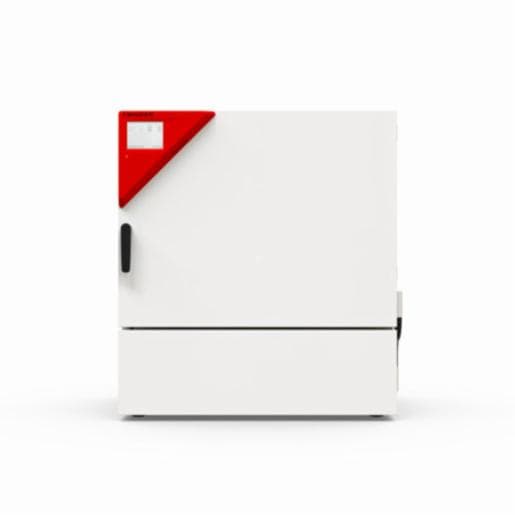
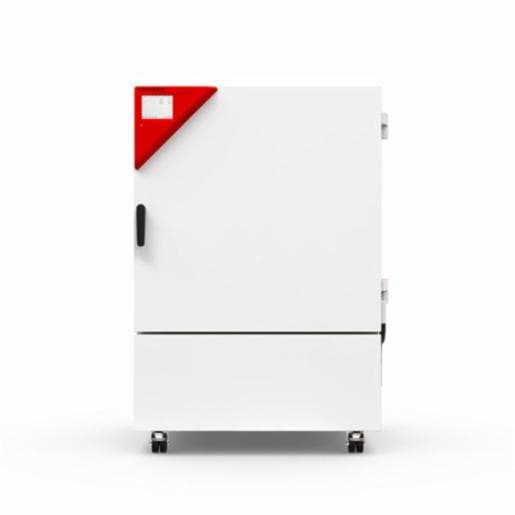
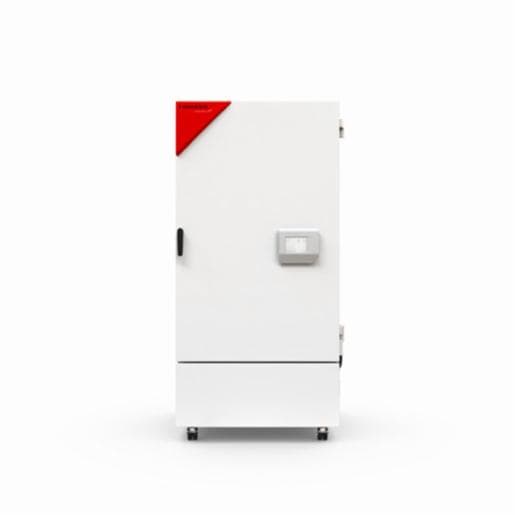



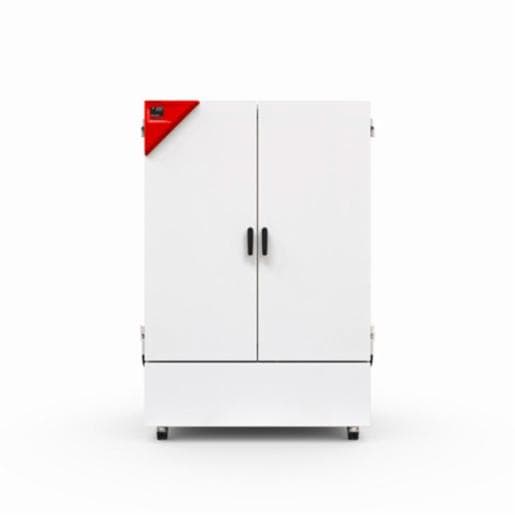


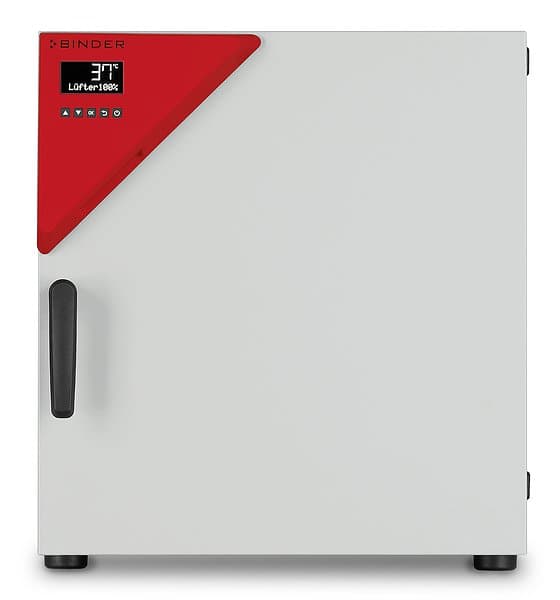
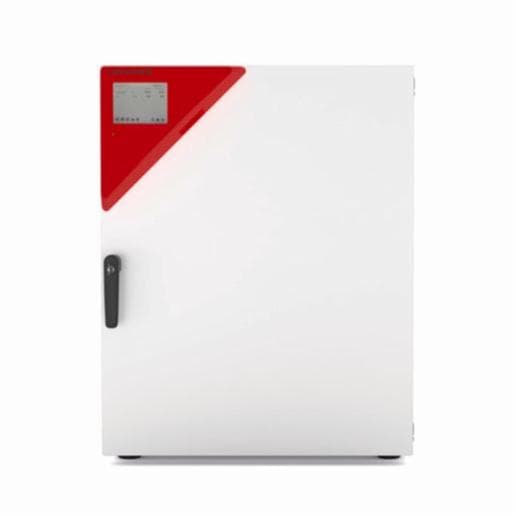

Incubator selection guide
01
State the work and the set point. General microbiology usually sits at 30–37 °C, BOD and environmental work near 20 °C, and mammalian cell culture needs a CO2 incubator, which is a different instrument class.
02
A heat-only incubator can only add heat, so it cannot hold a set point at or below room temperature. Use the measured ambient of the actual installation room rather than a nominal 25 °C; this is what decides between a heated and a cooled unit.
03
Forced air recovers faster after door openings and generally holds tighter uniformity. Natural convection reduces air movement over open or lightweight samples. Match this to the sample, not to the specification sheet.
04
Give plates or flasks per run, shelf count and how often the door is opened per day. Recovery after a door opening usually matters more in practice than the headline uniformity figure.
05
State the uniformity and stability your method requires, plus any need for a calibration certificate, over-temperature protection and logged data. Documentation and alarm behaviour are model- and option-specific.
No. Ovens operate well above ambient for drying and sterilising; incubators hold a narrow band close to ambient and are built for uniformity and stability at that band. Name the set point and the application rather than the cabinet type.
You do whenever the set point is at or below room temperature; a 20 °C BOD test is the common case. A heat-only incubator cannot cool below the room it stands in, so check the measured ambient of the installation point, not a nominal figure.
Forced air recovers faster after the door is opened and generally gives tighter uniformity, but the airflow can dry open samples. Natural convection disturbs samples less. Decide from the sample format and how often the door is opened.
They are not substitutes. A CO2 incubator controls a CO2 atmosphere and humidity for cell culture. Routine bacteriological work at 35–37 °C does not normally require one, and paying for CO2 control does not improve that work.
The convection and operating-range fields follow current manufacturer documentation. Range, uniformity and cooling capability are verified against the quoted model.
Specifications, compatibility and supplied documents vary by model and option. Check them against your method and the current manufacturer data sheet before ordering. Supplying equipment does not validate a method or certify compliance.