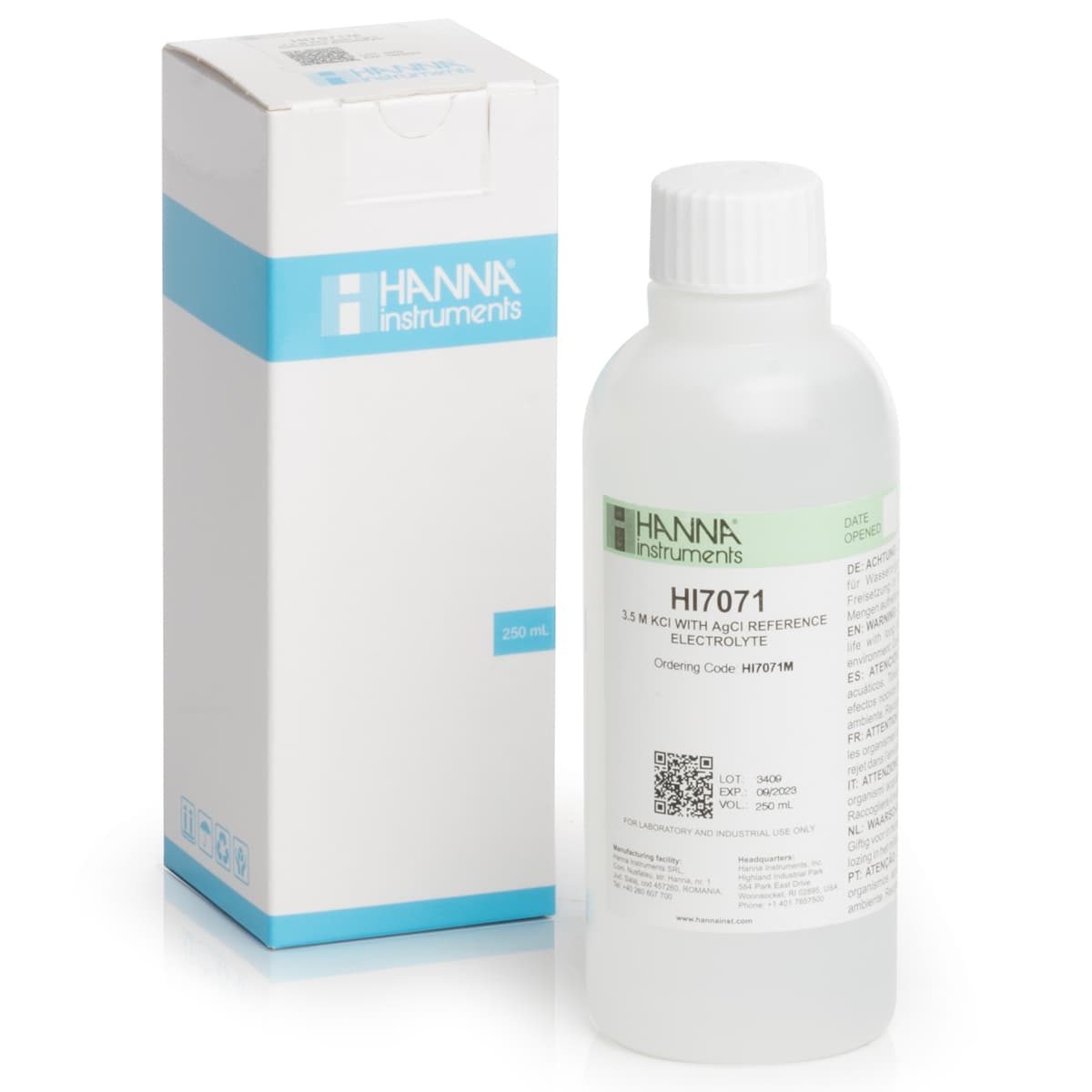
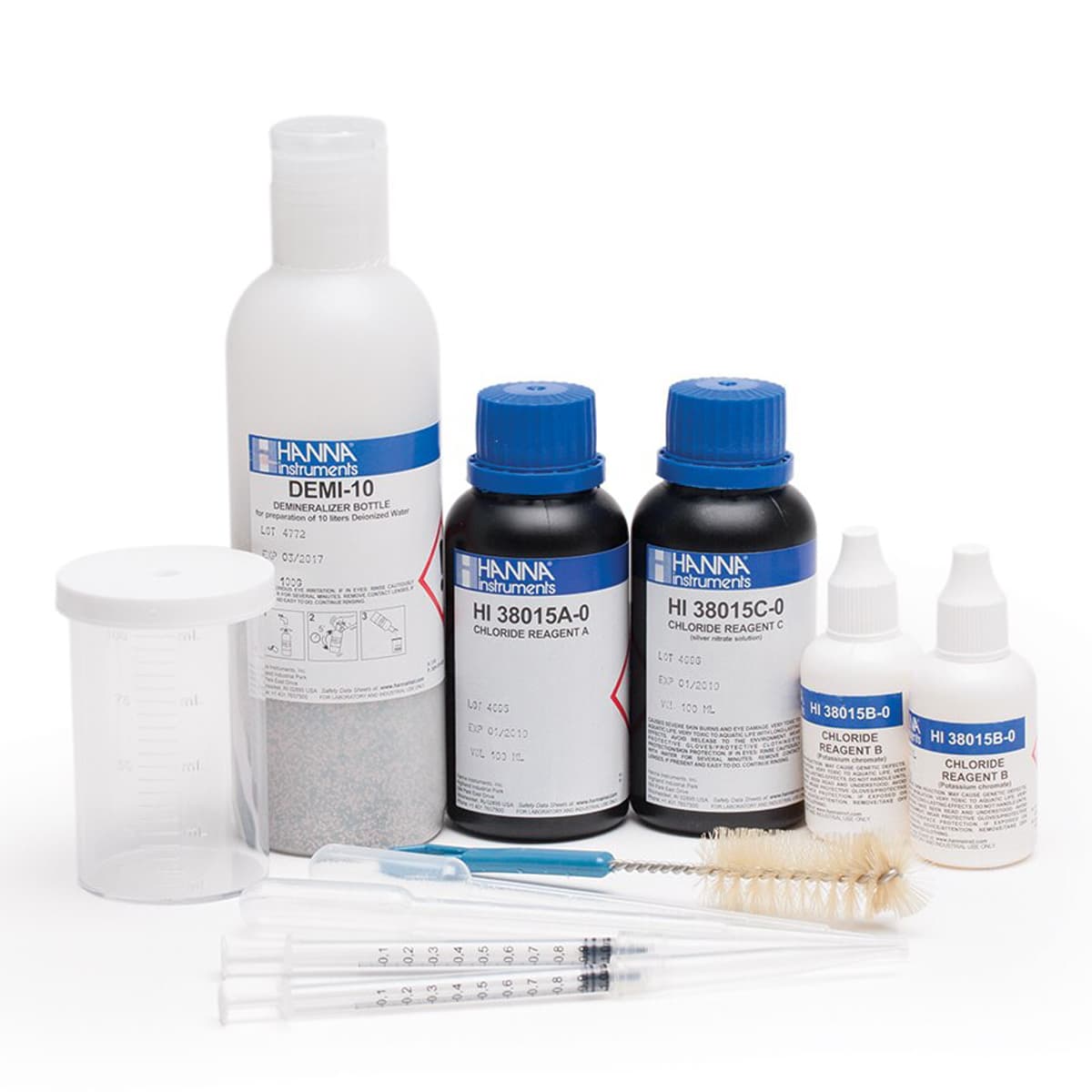
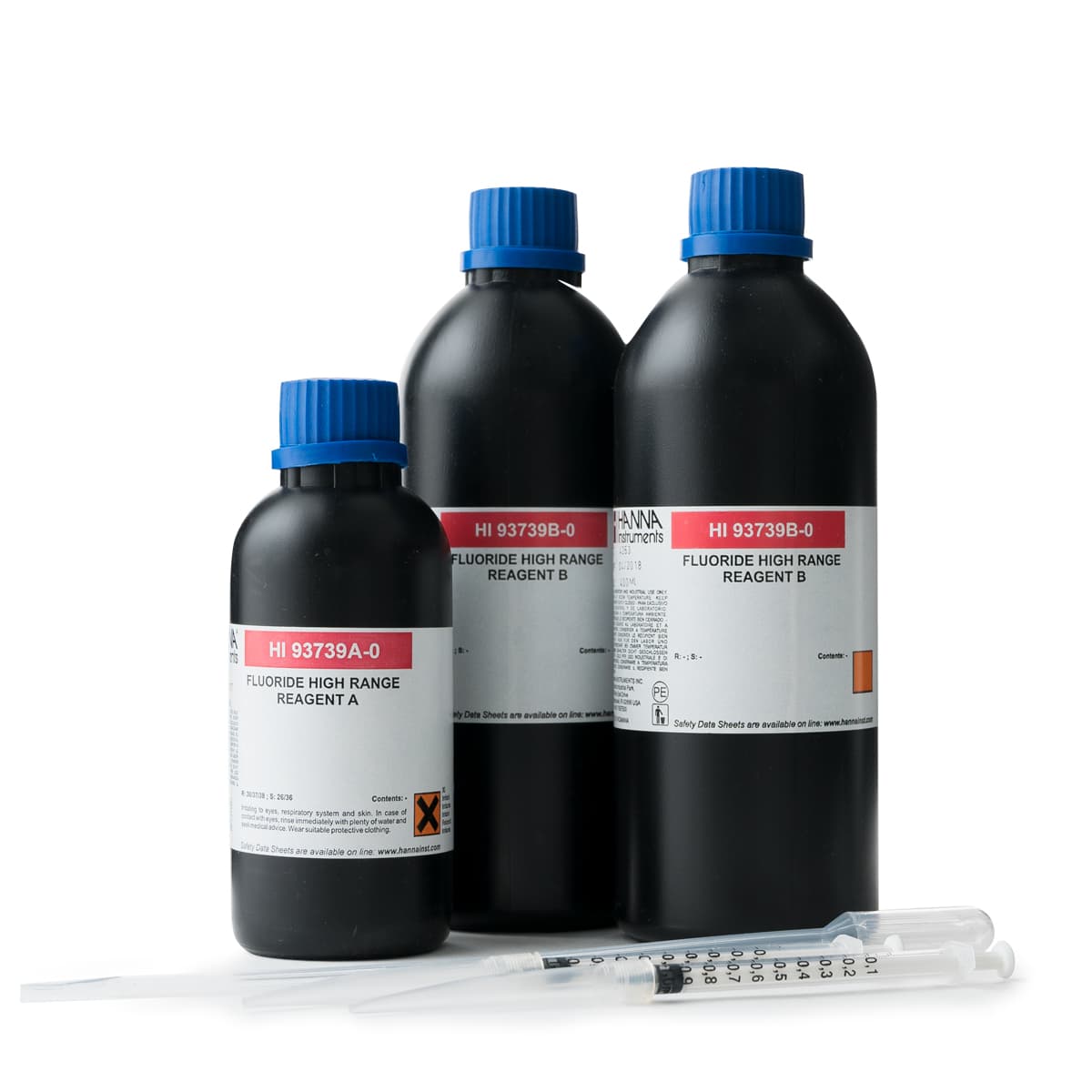
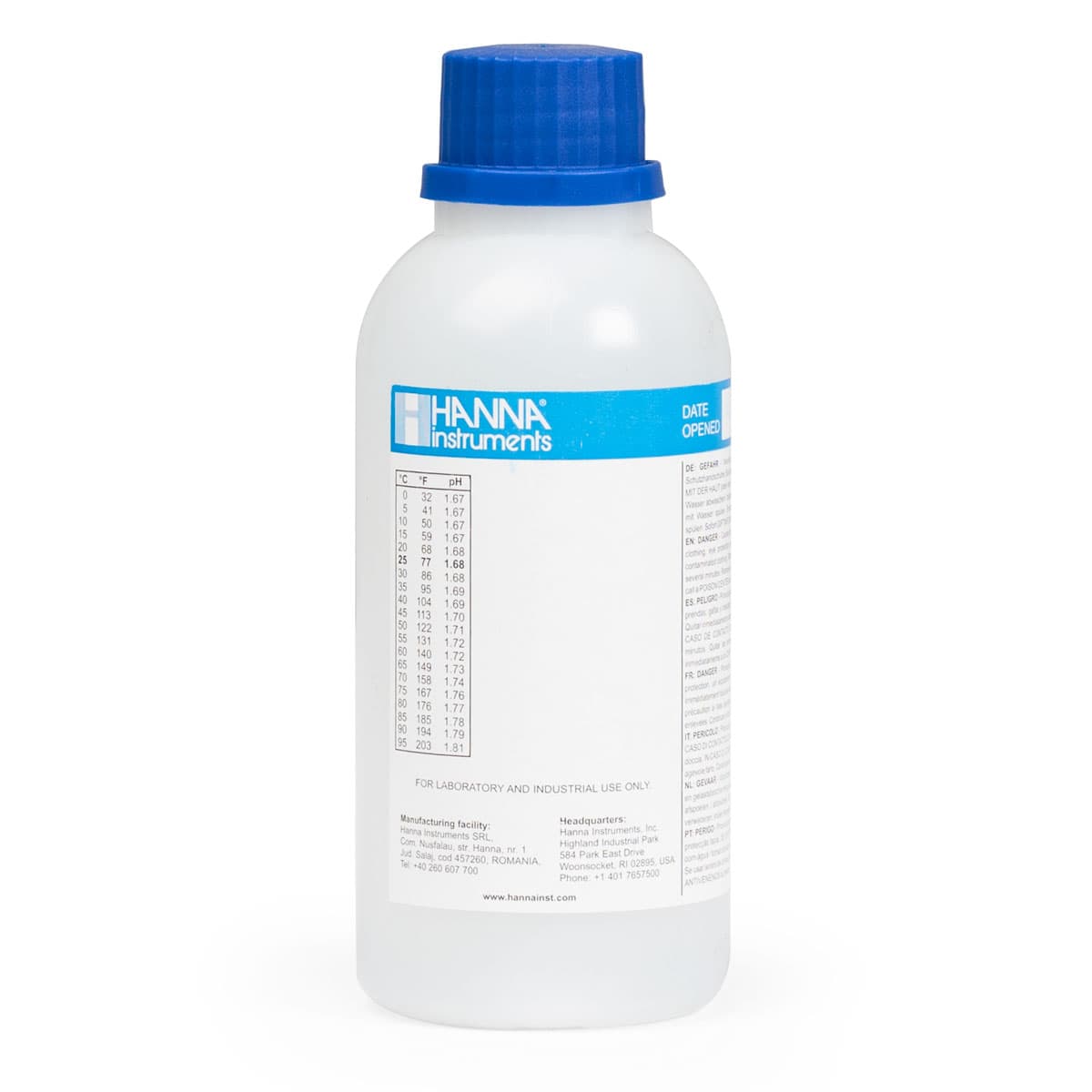
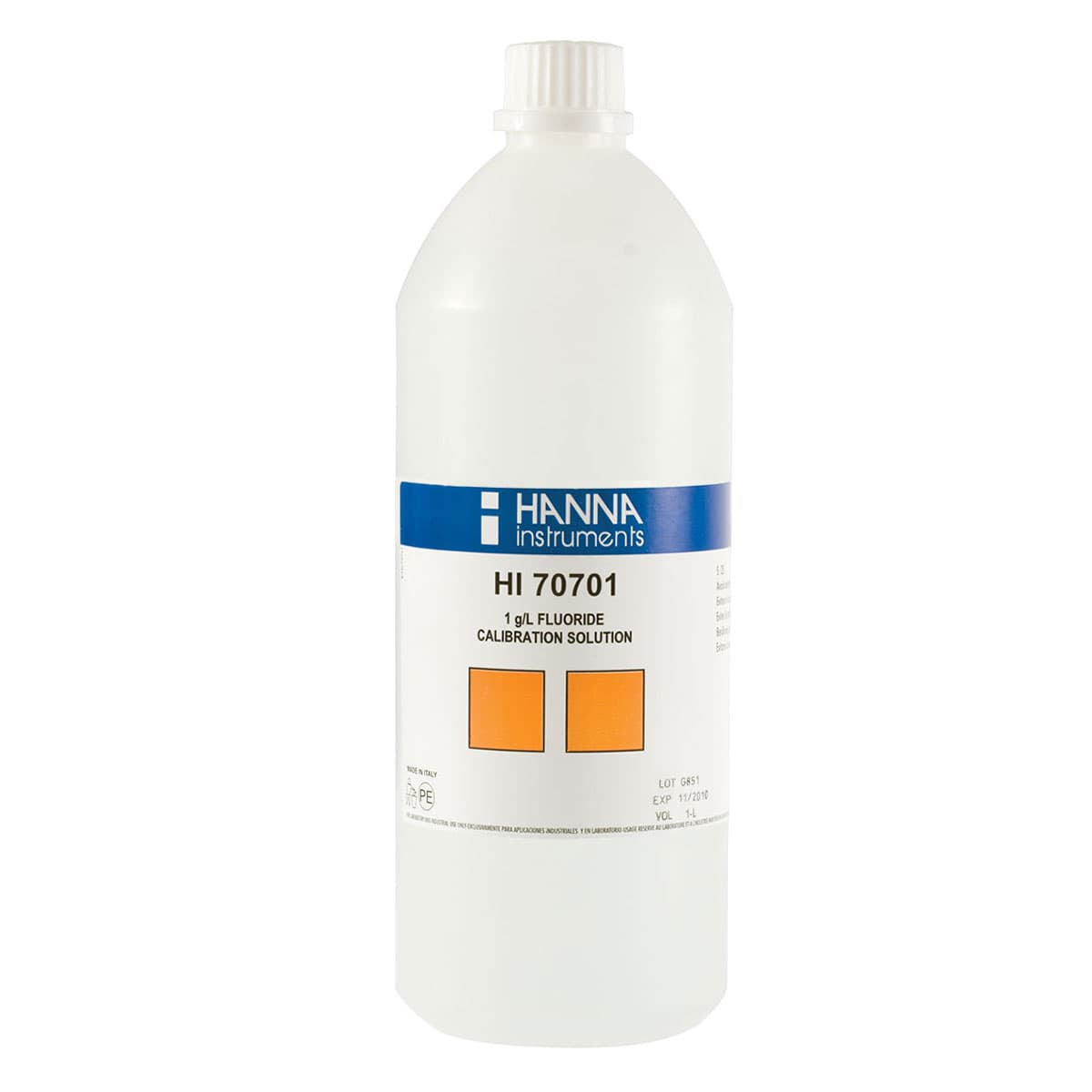
Reagents, media and everyday consumables on one shelf: Merck and RCI-Labscan solvents and analytical-grade chemicals, Merck and Difco culture media (Nutrient Agar, PCA, PDA, TSA), Mettler Toledo and Eutech pH buffers, KCl electrolyte and conductivity standards, ITS and V-unique chlorine and hardness test kits, plus Axygen, Capp and Nichiryo tips, microtubes, Petri dishes and Whatman filter paper. Restock alongside instrument and glassware orders on a single quotation — free, with a fast response.
Consumables programme
One quotation for every brand on the bench
Consumables burn budget in small, frequent orders spread across suppliers. Send the whole list — catalogue numbers or specifications, any mix of brands — and it comes back as one quotation, one delivery and one tax invoice.
The HI93753-03 are high quality reagents that are pre-measured, allowing for users to achieve fast and accurate colorimetric measurements. The method is an adaptation of the mercury(II) thiocyanate method. The reaction between chloride and the reagent causes an orange tint in the sample.
The HI93738-03 are high quality reagents that are pre-measured, allowing for users to achieve fast and accurate colorimetric measurements. These reagents follow the chlorophenol red method in which the reaction between chlorine dioxide and the reagents causes a purple tint in the sample.
The HI93723-03 are high quality reagents that are pre-measured, allowing for users to achieve fast and accurate colorimetric measurements. The method is an adaptation of the diphenylcarbohydrazide method. The reaction between chromium VI and the reagent causes a purple tint in the sample.
The HI93749-03 are high quality reagents that are pre-measured, allowing for users to achieve fast and accurate colorimetric measurements. The method is an adaptation of the diphenylcarbohydrazide method. The reaction between chromium VI and the reagent causes a purple tint in the sample.
An organic acid that can be extracted from natural sources and is widely used across many industries, including medicine, cosmetics and agriculture, as a chemical for analytical work and production.
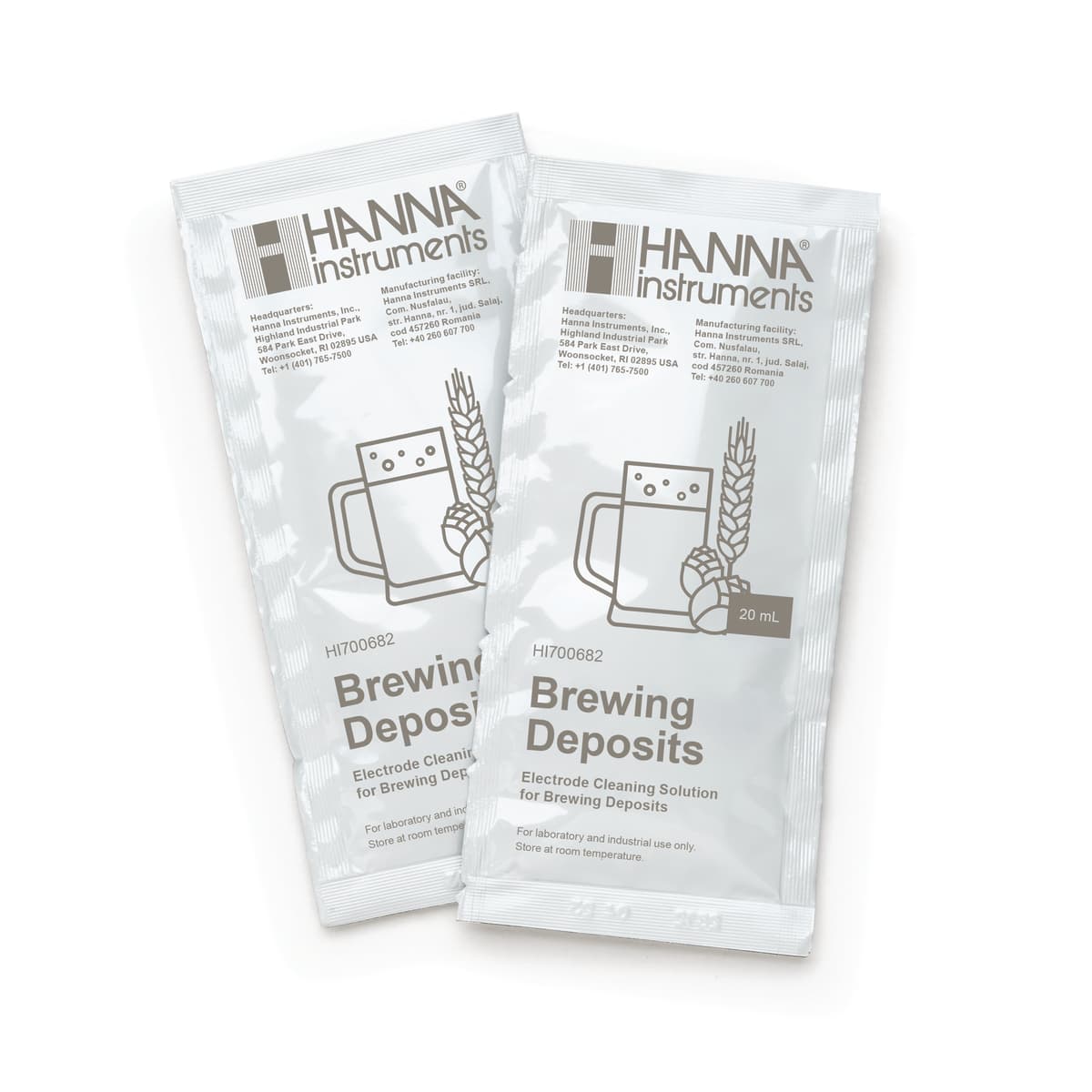
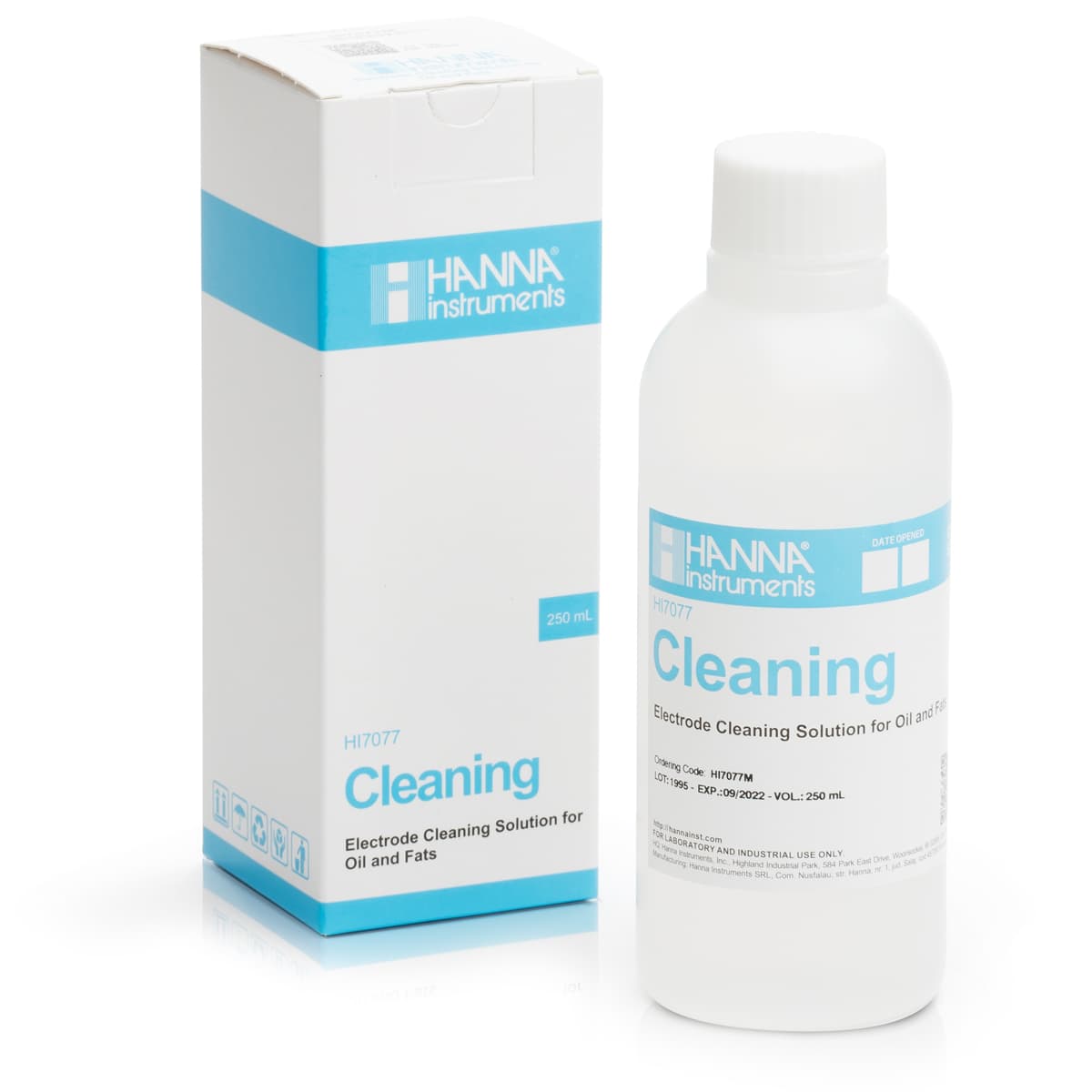
The most common cause for pH measurement inaccuracies is an unclean or improperly cleaned electrode. This is very important to note, because during calibration, the instrument assumes that the electrode is clean and that the standardization curve created during the calibration process will remain a valid reference…
The most common cause for pH measurement inaccuracies is an unclean or improperly cleaned electrode. This is very important to note because, during calibration, the instrument assumes that the electrode is clean and that the standardization curve created during the calibration process will remain a valid reference…
The most common cause for pH measurement inaccuracies is an unclean or improperly cleaned electrode. This is very important to note, because during calibration, the instrument assumes that the electrode is clean and that the standardization curve created during the calibration process will remain a valid reference…
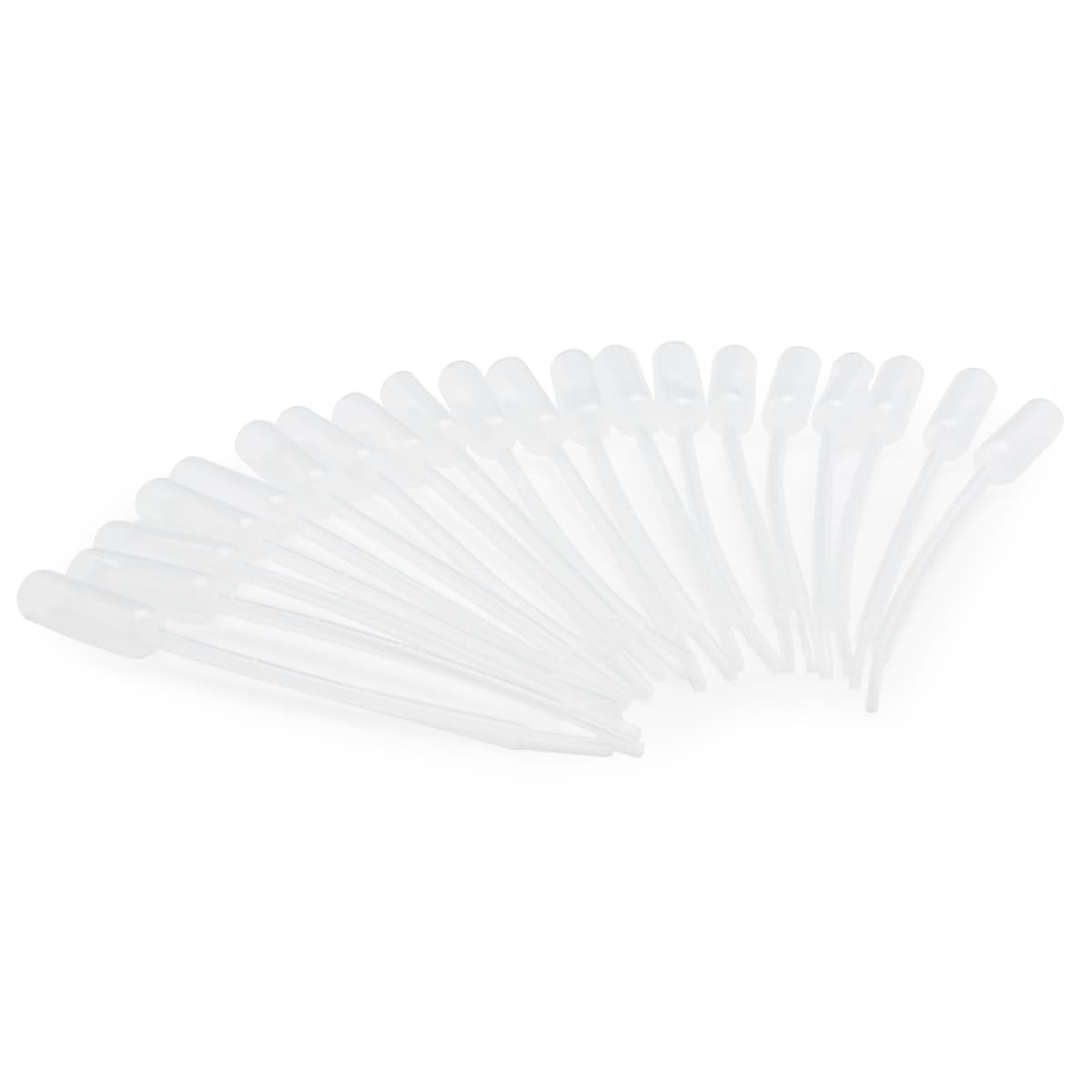
Clear pipette tips, 200 µl; Made of Polypropylene (PP) plastic, Certified RNase, DNase, and endotoxin free; supplied in a PP box with internal tip slots; 96 tips per box; Non-sterile
The HI94754C-25 COD kit contains 25 ready-to-use, barcoded vials containing pre-measured reagents. These high quality reagents follow an adaptation of the dichromate method for COD determination. In this method, a heated digestion is required to oxidize organic matter in the sample.
The HI94754F-25 COD kit contains 25 ready-to-use, barcoded vials containing pre-measured reagents. These high quality reagents follow the ISO approved method 15705. In this method, a heated digestion is required to oxidize organic matter in the sample.
The HI94754D-25 COD kit contains 25 ready-to-use, barcoded vials containing pre-measured reagents. These high quality reagents follow the mercury-free dichromate method for determination of COD. In this method, a heated digestion is required to oxidize organic matter in the sample.
The HI93754F-25 COD kit contains 25 ready-to-use vials containing pre-measured reagents. These high quality reagents follow the ISO approved method 15705 for determination of COD. In this method, a heated digestion is required to oxidize organic matter in the sample.
The HI94754B-25 COD kit contains 25 ready-to-use, barcoded vials containing pre-measured reagents. These high quality reagents follow the EPA approved method 410.4. In this method, a heated digestion is required to oxidize organic matter in the sample.
The HI94754G-25 COD kit contains 25 ready-to-use, barcoded vials containing pre-measured reagents. These high quality reagents follow the ISO approved method 15705. In this method, a heated digestion is required to oxidize organic matter in the sample.
The HI94754E-25 COD kit contains 25 ready-to-use, barcoded vials containing pre-measured reagents. These high quality reagents follow the mercury-free dichromate method for determination of COD. In this method, a heated digestion is required to oxidize organic matter in the sample.
The HI93754G-25 COD kit contains 25 ready-to-use vials containing pre-measured reagents. These high quality reagents follow the ISO approved method 15705 for determination of COD. In this method, a heated digestion is required to oxidize organic matter in the sample.
The HI93754E-25 COD kit contains 25 ready-to-use vials containing pre-measured reagents. These high quality reagents follow the mercury-free dichromate method for determination of COD. In this method, a heated digestion is required to oxidize organic matter in the sample.
The HI83742-25 is a high quality reagent that is pre-measured, allowing for users to achieve fast and accurate colorimetric measurements. This reagent allow for a direct reading of the sample.
HI747-11 is a high-quality set of calibration standards that allows users to validate the Copper Low Range Checker®HC - HI747. The HI747-11 includes one sealed cuvette for zero ppb copper and one cuvette that is tinted to an equivalent 500 ± 100 ppb copper sample @ 25oC.
The HI747-25 are high quality reagents that are pre-measured, allowing for users to achieve fast and accurate measurements with their Copper Low Range Checker® HC. These reagents follow the Bicinchoninate Method in which the reaction between copper and the reagent causes a purple tint in the sample.
The HI95747-03 are high quality reagents that are pre-measured, allowing for users to achieve fast and accurate colorimetric measurements. The method is an adaptation of the USEPA approved bicinchoninate method. The reaction between copper and the reagent causes a color change in the sample.
The HI83740-20 are high quality reagents that are pre-measured, allowing for users to achieve fast and accurate colorimetric measurements. These reagents follow a method in which the reaction between copper and reagents causes a purple tint in the sample.
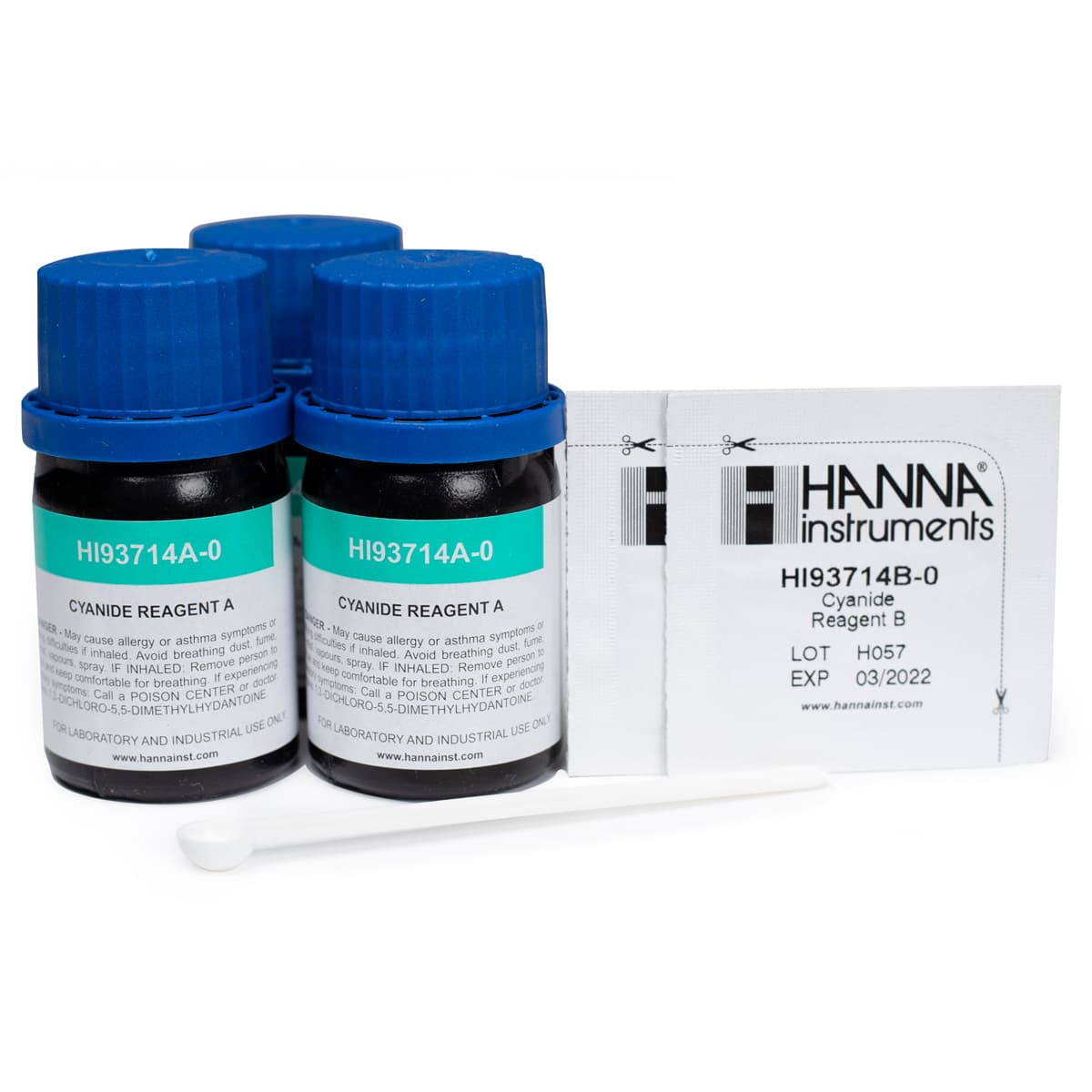
The HI93714-03 are high quality reagents that are pre-measured, allowing for users to achieve fast and accurate colorimetric measurements. These reagents are used in a method that is adapted from the Standard Methods for the Examination of Water and Wastewater, 18th edition, Pyridine-Pyrazalone method.
The HI93722-03 are high quality reagents that are pre-measured, allowing for users to achieve fast and accurate colorimetric measurements. These reagents follow an adaptation of the turbidimetric method. The reaction between cyanuric acid and reagent causes a white suspension in the sample.
DI water is highly purified distilled, deionised water containing only water molecules (H2O). It is widely used in laboratories and test facilities, and is applied extensively across industry.
di-Potassium hydrogen phosphate trihydrate (also called potassium phosphate dibasic trihydrate), with three molecules of water of crystallisation, is an inorganic salt.
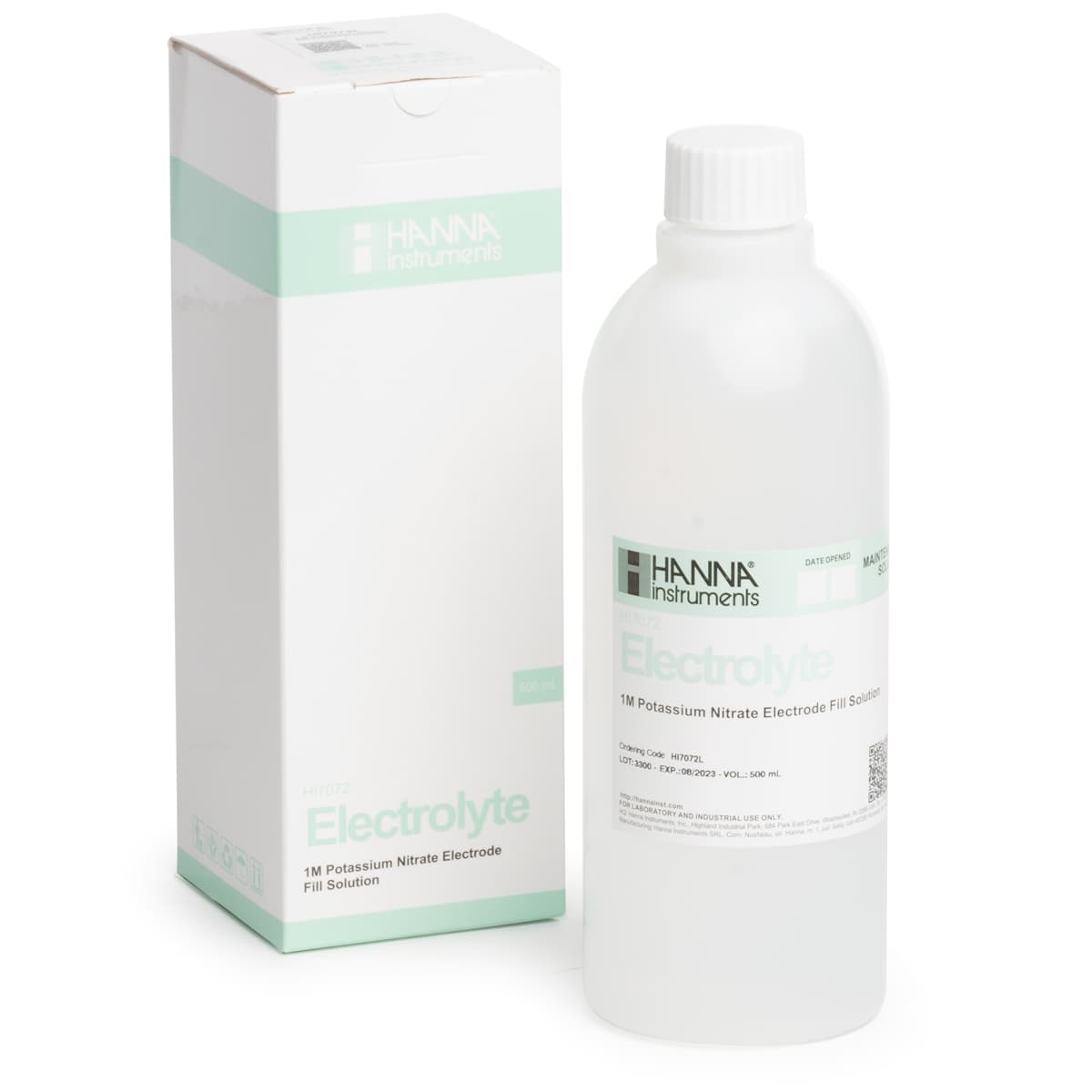
HI7041L is designed to refill the electrolyte solution for polarographic dissolved oxygen probes. Polarographic sensor technology is based on the Ross and Clark polarographic measurement method. An oxygen probe is composed of a platinum electrode and a solid silver electrode.
The HI93732-03 are high quality reagents that are pre-measured, allowing for users to achieve fast and accurate colorimetric measurements. The method is an adaptation of the Standard Methods for Examination of Water and Wastewater, 18th edition, azide modified Winkler method.
Highly quality dNTPs are a vital requirement for successful PCR, as the presence of contaminating impurities will result in a decrease in amplification sensitivity and product yield.
The ready-to-use molecular grade dNTP Sets consist of four separate 100 mM solutions of dATP, dCTP, dGTP and dTTP respectively.
Consumables programme
Five details that make a consumables quote exact
01
Catalogue number or specification
A manufacturer catalogue number is exact. Where there is none, give the specification that matters: material, size or volume, graduation, sterility, colour code. Mark which items accept an equivalent brand and which must not change.
02
Pack size and unit of issue
Tips come by rack and by case; gloves by box and by carton. Consumables requests fail on units more than on anything else — state the quantity, the unit you count in, and the pack format you want delivered.
03
Grade and sterility
Reagent grade (AR, ACS, HPLC), glass class A or B, sterile or non-sterile, powdered or powder-free: one product name spans several price points. Name the grade your method actually requires.
04
Documentation per lot
If your QA system needs certificates of analysis, expiry dating or lot traceability, say so in the request — it can decide which manufacturer we quote.
05
Reorder cadence
Tell us what repeats and how often. A recurring list is priced once and re-confirmed on each order, so a monthly top-up is one email rather than a new procurement round.
Include this in a consumables request
Catalogue numbers, or the governing spec where there is none
Quantity with its unit — each, pack, box or case
Grade, sterility and material requirements
Which lines accept equivalent brands
Documents needed: COA, lot data, delivery schedule
Items beyond the catalogue — we source on request
Consumables supply questions
Can you supply items that are not in the catalogue?
Yes. The published catalogue is a sample of what we supply, not the limit. Send the catalogue number or specification and it is quoted through our sourcing network like any other line.
Do you substitute brands?
Never silently. We quote the brand you name; where an equivalent offers a better price or lead time we may add it as a separately marked alternative line, and the choice stays with you.
How does repeat ordering work?
Send the list once. Each reorder re-confirms price against the same list, and every order ships with a full tax invoice (ใบกำกับภาษี). Registered business customers can apply for credit terms.
Pack formats, catalogue numbers and grades follow each manufacturer’s current catalogue and can change between orders — the quotation states the current ones.
Pack sizes, grades and catalogue numbers change with manufacturer revisions. The quotation you receive states the current pack format and price for each line.