
Skip to content
ไทย

Electrodes & Probes

Replacement pH electrodes and temperature probes: Ohaus ST310, ST320 and ST350 3-in-1 electrodes, Mettler Toledo LE438, Eutech ECFC and ECFG glass- and plastic-body electrodes, Bante refillables, and Testo immersion, needle and fiberglass probes with TopSafe cases. Electrolyte and storage solutions are on the Consumables & Reagents shelf. Tell us your meter model and we will match the connector — quotations are free.

Electrode selection guide

Check the connector first, then the sample

An electrode is chosen against two unrelated things: the meter it plugs into, and the sample it sits in. The connector decides whether it works at all. The junction and body decide how long it lasts and whether the reading can be trusted.

See the checklist and buying questions

8 products

E201-BNC Refillable pH Electrode

Bante

E201-BNC Refillable pH Electrode

MX-10683

P11 Refillable pH Electrode

Bante

P11 Refillable pH Electrode

MX-10684

pH Electrode for Drinking Water

Hanna

pH Electrode for Drinking Water

MX-11505

pH Electrode for Drinking Water with Quick Connect DIN

Hanna

pH Electrode for Drinking Water with Quick Connect DIN

MX-13066

ST310 3-in-1 Refillable pH Electrode with Built-in Temperature Sensor

Ohaus

ST310 3-in-1 Refillable pH Electrode with Built-in Temperature Sensor

MX-10611

ST320 3-in-1 Gel pH Electrode with Built-in Temperature Sensor

Ohaus

ST320 3-in-1 Gel pH Electrode with Built-in Temperature Sensor

MX-10610

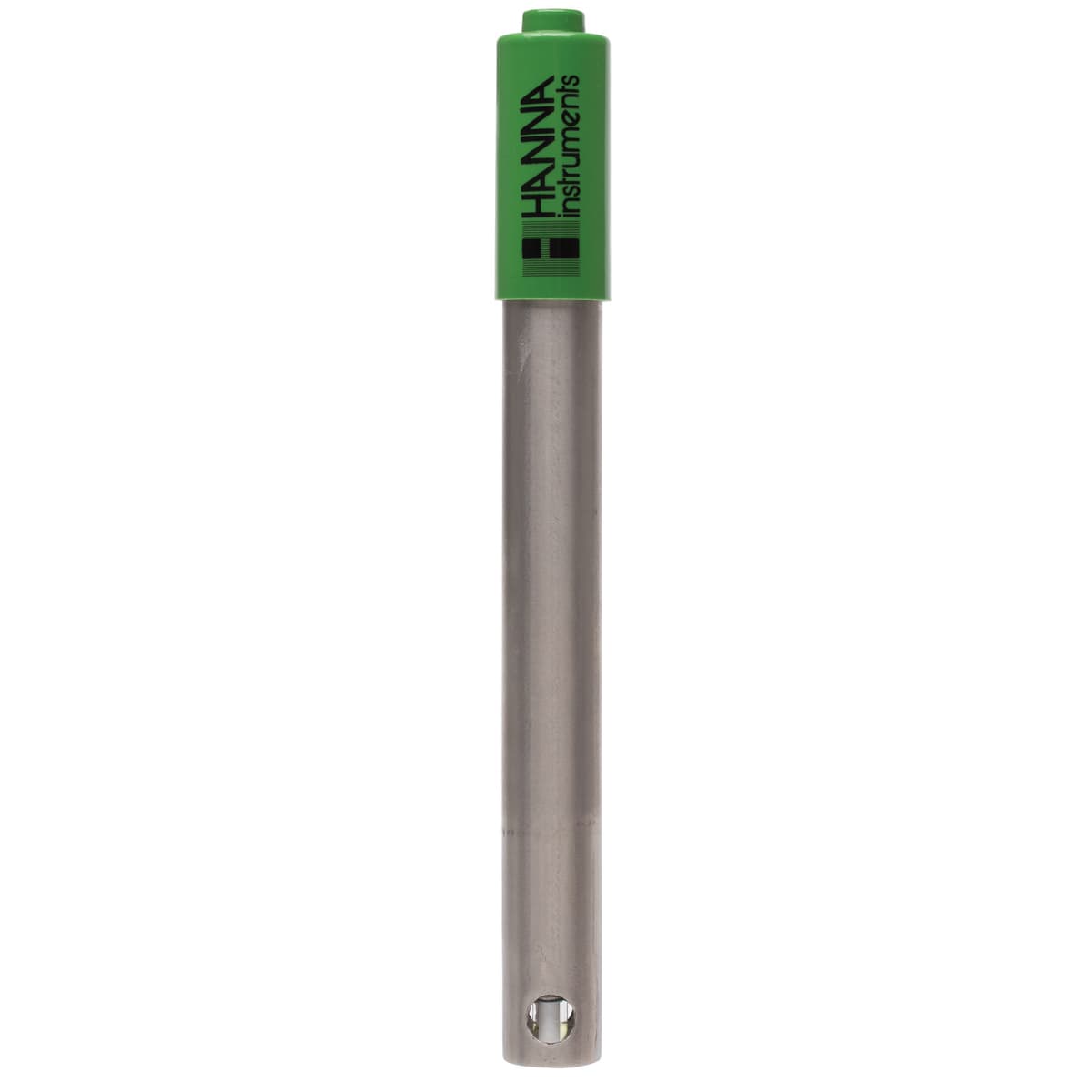
Titanium Body pH Electrode for Wastewater with Quick Connect DIN Connector

Hanna

Titanium Body pH Electrode for Wastewater with Quick Connect DIN Connector

MX-11683

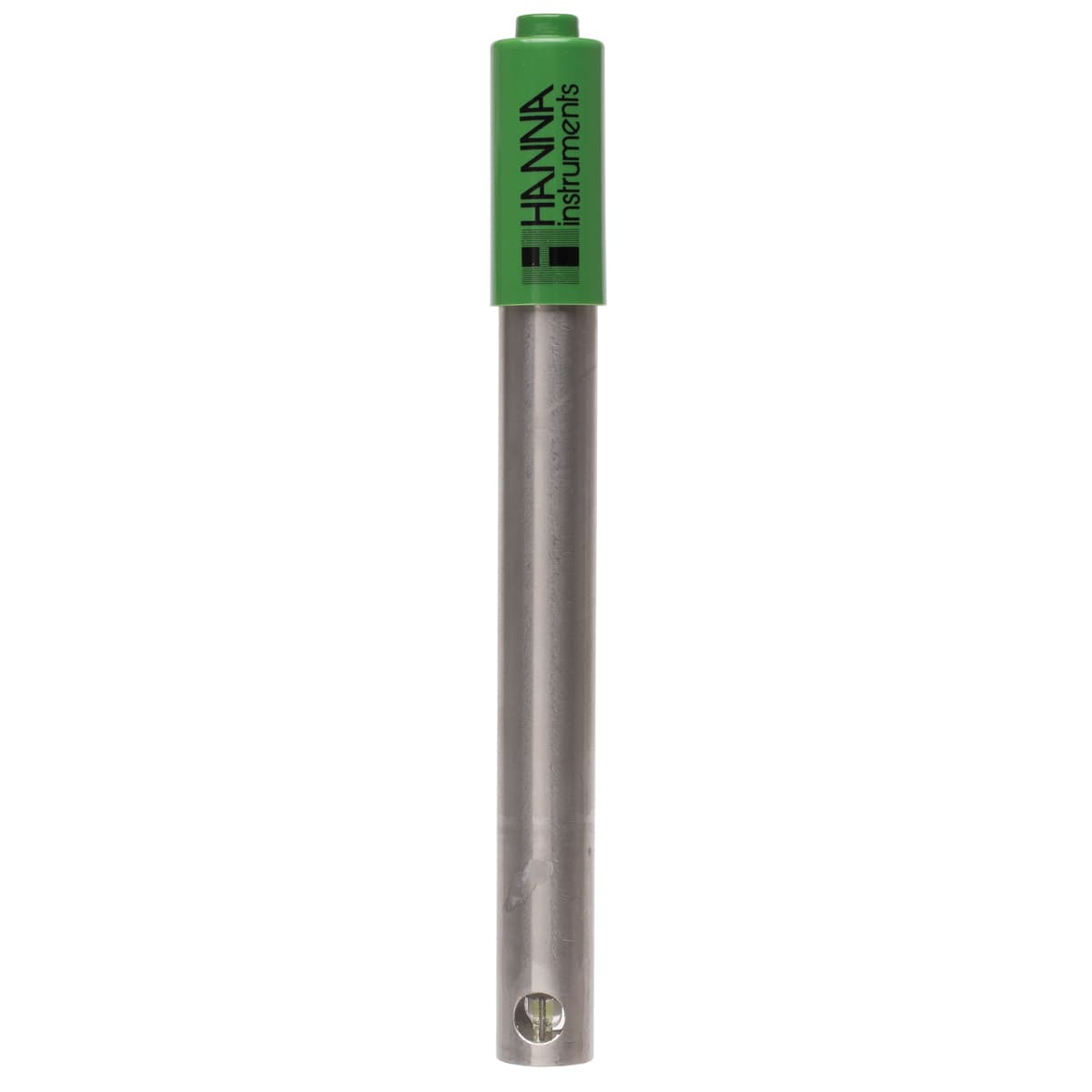
Titanium Body pH/ORP Electrode for Water Treatment Analysis with Quick DIN Connector

Hanna

Titanium Body pH/ORP Electrode for Water Treatment Analysis with Quick DIN Connector

MX-13269

Electrode selection guide

Five decisions before ordering an electrode

01

Meter and connector

State the meter model and the connector — BNC, DIN, Quick Connect DIN, RCA or a digital sensor. A meter expecting a digital electrode will not read an analogue one, and a mismatched connector makes an otherwise correct electrode unusable.

02

Sample and junction design

Describe the sample, not only the parameter. A double-junction reference places a second barrier between the reference electrolyte and samples carrying sulfides, proteins or heavy metals that would poison a single junction. Samples with solids or high viscosity call for an open junction or a clog-prevention design.

03

Body material and tip shape

Glass bodies resist solvents and are the general laboratory choice; plastic bodies are used where breakage is a hazard, in the field, or in food production. Flat and spear tips exist for surfaces and semi-solids, where a conventional bulb cannot make proper contact.

04

Temperature measurement

Say whether temperature compensation must come from the electrode itself or from a separate probe. A built-in sensor removes an item from the bench but ties temperature and pH to one replacement cycle.

05

Maintenance and consumables

An electrode is a consumable with a service life, not a permanent fitting. Budget storage solution, the correct filling solution for refillable types, cleaning solutions matched to the fouling, and membrane caps where a dissolved oxygen probe is used.

Include this in an electrode request

  • Meter model and connector type
  • Parameter: pH, ORP, conductivity, DO or ISE
  • Sample description, including solids and viscosity
  • Temperature range and whether compensation is required
  • Single or double junction, refillable or gel-filled
  • Storage, filling and cleaning solutions

Common electrode questions

Will any pH electrode fit my meter?

No. The connector — BNC, DIN, Quick Connect or a digital sensor — decides compatibility before any other property of the electrode. Send the meter model with the request and this gets checked first.

Single or double junction — how do I choose?

From the sample. A double junction adds a barrier between the reference electrolyte and the sample, which is the usual choice where sulfides, proteins or heavy metals are present and would poison a single-junction reference.

Glass body or plastic body?

Glass is the general laboratory choice for chemical resistance. Plastic is used where breakage is a hazard, in the field, or in food production. Body material is a separate question from tip shape, which follows the physical form of the sample.

How long should a pH electrode last?

It is a consumable, and service life depends on the sample, temperature and storage rather than a fixed period. Keep storage solution on hand — a pH electrode should never be left dry or standing in deionised water, as both shorten its life.

What the electrode connects to

Buying notes

Nothing above restates a manufacturer specification. Junction design, body material, operating range and service life are specific to the electrode, and compatibility is confirmed against the meter and sample you give us.

Connector compatibility, junction design, chemical resistance and operating range are specific to the electrode and meter quoted. Confirm the meter model and the full sample composition before ordering.